Why You Should Have Plants in Your Home: Science-Backed Benefits + Easy Plants Anyone Can Grow
Discover the benefits of indoor plants, from reducing stress to improving productivity. Plus, explore the best low-maintenance houseplants and simple care tips for beginners.
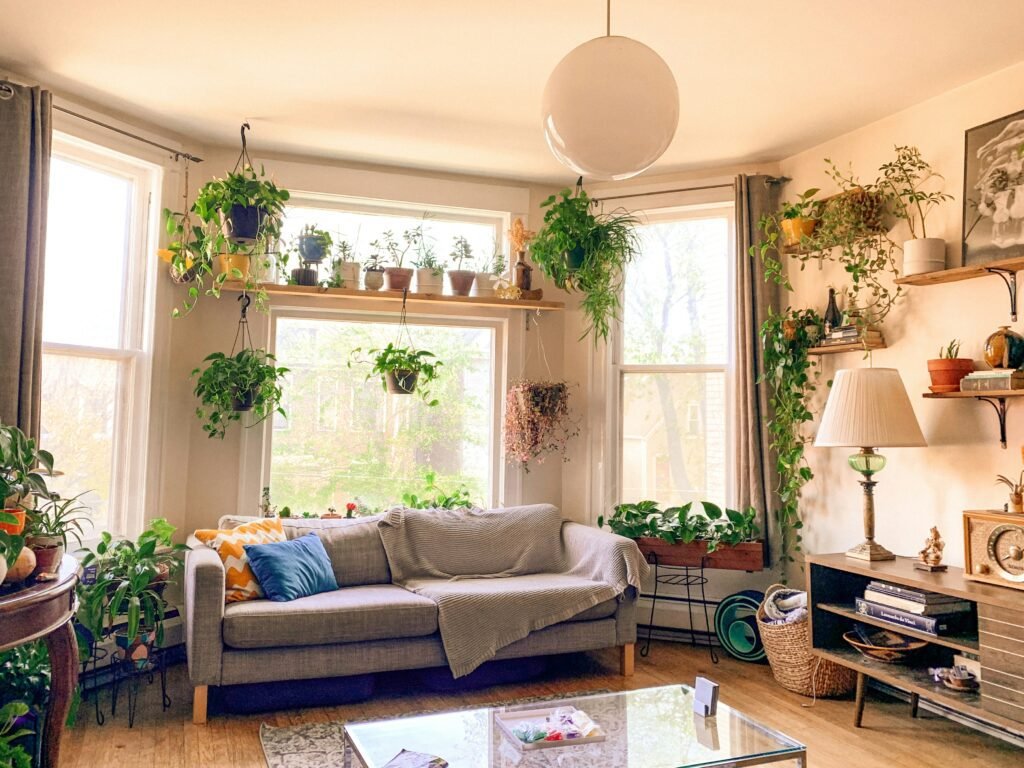
Plants can be one of the easiest and most affordable ways to make a home feel more alive, but their benefits go far beyond decorating. Research has found that plants can help reduce stress, improve focus, support well-being, and even make indoor spaces feel more comfortable.
The best part? You don’t need a green thumb or a house full of exotic plants to enjoy those benefits.
Why Plants Are Good for Your Home
Plants don’t just make a room prettier, they can actually change how a space feels and how you feel inside it.
1. They Help Reduce Stress
There’s a reason spending time in nature feels relaxing.
Studies have found that simply being around greenery can help lower stress levels, reduce feelings of anxiety, and promote a greater sense of calm. Even caring for a plant for a few minutes can become a small mindfulness ritual in a busy day.
If your goal is creating a peaceful home, adding a few plants is one of the easiest places to start.
2. They Can Boost Your Mood
Plants introduce life, color, and natural beauty into your home. Research suggests that indoor plants can increase positive emotions while helping reduce mental fatigue.
Sometimes a single leafy plant is enough to make a room feel brighter and more inviting.
3. They Improve Focus and Productivity
Whether you work from home, study, or simply want to stay organized, plants can help.
Research has shown that people working around plants often experience better concentration, increased creativity, and improved productivity. Some studies even found people completed tasks faster while making fewer mistakes.
A small plant on your desk can make your workspace feel calmer and more inspiring.
4. They Support a Healthier Indoor Environment
You’ve probably heard that plants clean the air. The truth is a little more nuanced.
Some studies, including NASA’s well-known Clean Air Study, found that certain plants can absorb small amounts of indoor pollutants under controlled conditions. Plants may also increase humidity slightly, making indoor air feel less dry.
That said, they’re not a replacement for opening windows, using proper ventilation, or running an air purifier when needed.
Think of plants as a helpful bonus, not a magic solution.
5. They Make Your Home Feel More Comfortable
Plants do something that’s hard to measure but easy to notice. They soften hard edges. They fill empty corners. They bring balance to a room.
Some larger plants can even help reduce echoes while making spaces feel cooler and more comfortable through natural moisture release. Together, these small effects create a home that simply feels nicer to spend time in.
How Plants Instantly Improve Your Decor
One of the biggest reasons people fall in love with houseplants is how effortlessly they elevate a space. Unlike expensive furniture or major renovations, plants can completely transform a room without breaking your budget.
Fill Empty Spaces
That awkward corner beside the sofa? A tall floor plant can turn it into a beautiful focal point. An empty bookshelf? A trailing pothos instantly adds movement and softness. Plants naturally draw your eye around a room, making everything feel more balanced.
Add Color and Texture
Every home benefits from contrast.
Plants introduce shades of green, unique leaf shapes, and organic textures that pair beautifully with wood, stone, linen, and neutral decor. Even minimalist homes feel warmer with a few carefully placed plants.
Style Every Room
You don’t need dozens of plants.
A few thoughtfully placed ones go a long way.
Living Room: Add a statement floor plant beside the couch or TV stand.
Bedroom: Place a snake plant or pothos on a dresser or nightstand for a calming touch.
Kitchen: Keep herbs or small potted plants on a sunny windowsill.
Bathroom: Choose humidity-loving plants like ferns or pothos.
Home Office: Add a small desk plant to create a workspace that feels fresh and inviting.
Help Your Home Stay Organized
Plants can even support better organization. Try placing one on an entryway table to discourage clutter from piling up. Use a tall plant to subtly separate spaces in an open-concept room. Or display several plants on shelves to add height and visual interest while keeping surfaces tidy.
Best Low-Maintenance Houseplants for Beginners
If you’ve convinced yourself you “kill every plant,” don’t worry. These beginner-friendly plants are incredibly forgiving.
Snake Plant
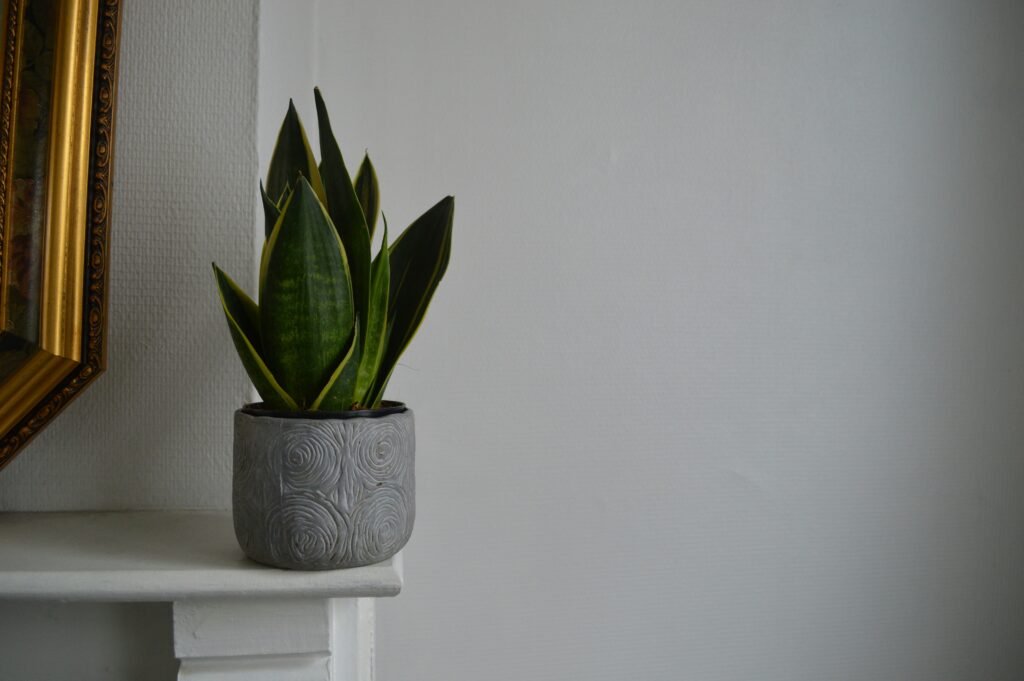
One of the toughest houseplants you can buy.
- Tolerates low light
- Doesn’t mind being forgotten
- Water every few weeks
- Great for beginners
ZZ Plant
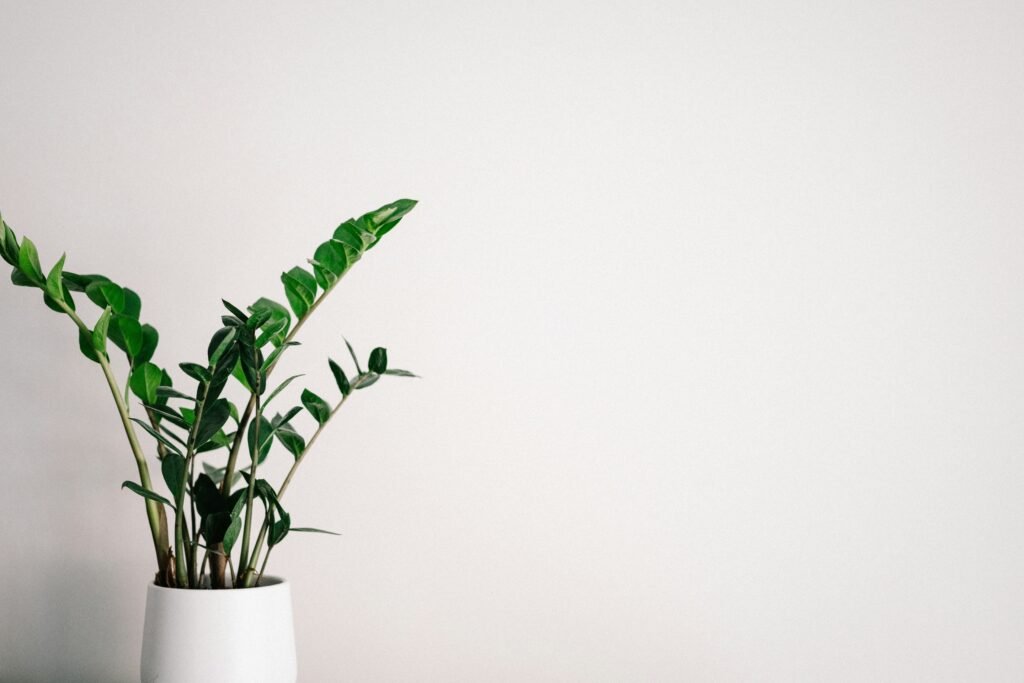
The ultimate low-maintenance plant.
- Thrives in low to medium light
- Handles drought well
- Glossy leaves look beautiful year-round
- Perfect for busy households
Pothos
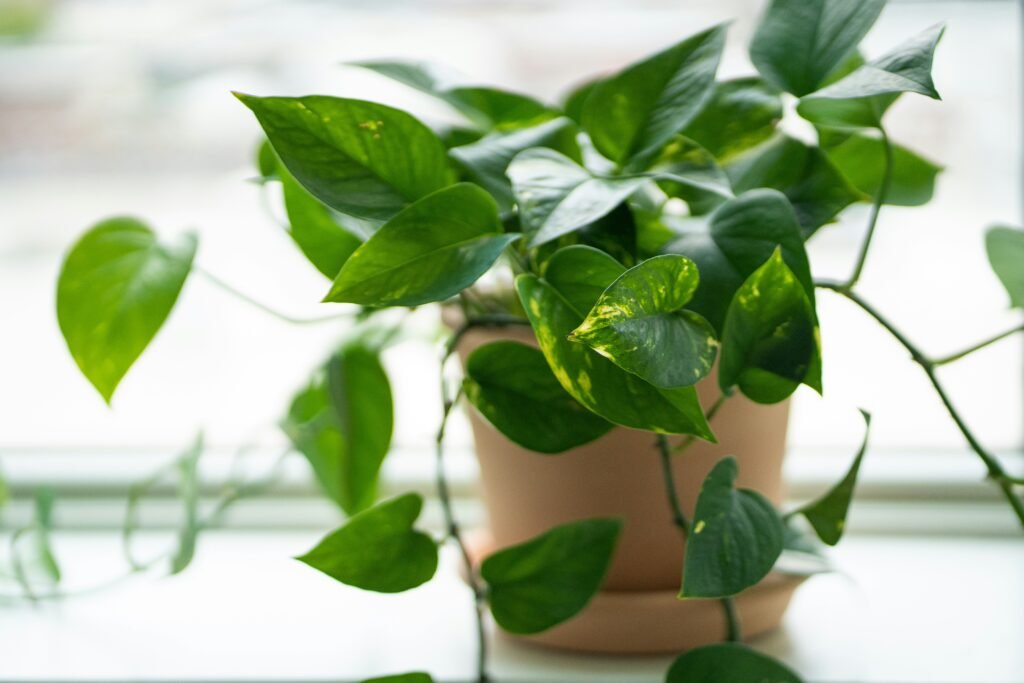
Fast-growing and nearly impossible to ruin.
- Beautiful trailing vines
- Grows in many lighting conditions
- Easy to propagate
- Great for shelves and hanging baskets
Spider Plant
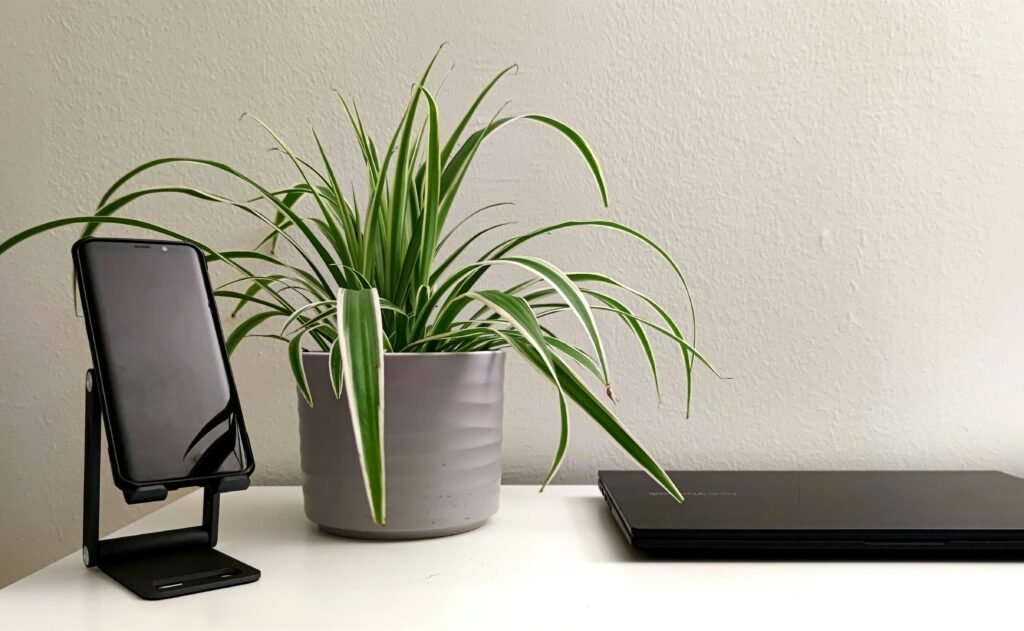
A classic favorite for good reason.
- Pet-friendly
- Produces adorable baby plants
- Very forgiving
- Excellent for first-time plant owners
Peace Lily
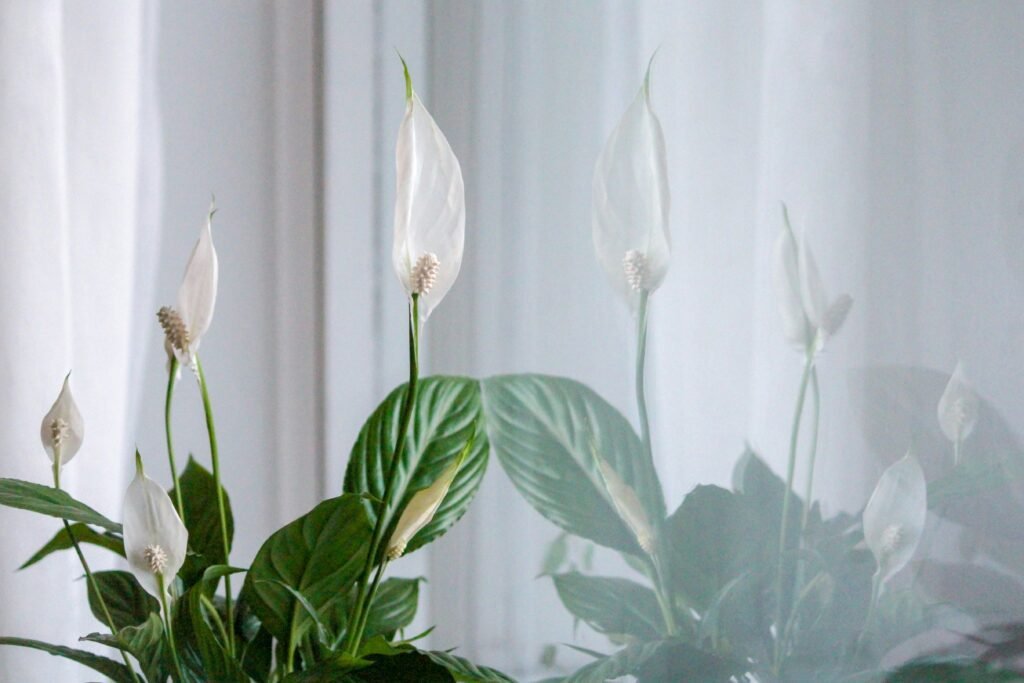
A beautiful flowering option.
One of its best features is that it tells you when it’s thirsty by drooping slightly, making it surprisingly easy to know when to water.
Note: Peace lilies are toxic to cats and dogs if chewed, so choose another option if you have curious pets.
Five Simple Plant Care Tips
Keeping houseplants alive doesn’t have to be complicated. Here are the basics.
Give Them the Right Light
Before buying a plant, check how much light it needs. A low-light plant won’t thrive in intense afternoon sun, and a sun-loving plant won’t be happy in a dark corner.
Matching the plant to your space is half the battle.
Water Less Than You Think
The biggest mistake beginners make is overwatering. Before watering, stick your finger about an inch into the soil.
If it still feels damp, wait another day or two.
Always Choose Pots with Drainage
Drainage holes allow excess water to escape and help prevent root rot.
If you fall in love with a decorative pot that doesn’t have drainage, simply place a nursery pot inside it.
Rotate Your Plants
Plants naturally grow toward light. Turning them every few weeks encourages even, balanced growth.
Feed Them During the Growing Season
Most houseplants appreciate fertilizer in spring and summer. During fall and winter, many slow their growth and need very little feeding.
Common Beginner Mistakes
Even experienced plant owners make mistakes.
Here are the biggest ones to avoid.
- Watering too often instead of checking the soil first.
- Choosing a plant that doesn’t match your home’s lighting.
- Using decorative pots without drainage holes.
- Forgetting to rotate plants toward the light.
- Ignoring pests until they spread.
- Fertilizing too frequently.
Remember, losing a plant now and then doesn’t mean you have a “black thumb.” Every plant teaches you something for the next one.
Frequently Asked Questions
Do houseplants really clean the air?
They can help remove small amounts of certain pollutants in controlled settings, but they shouldn’t replace good ventilation or an air purifier. Their biggest everyday benefits are improving mood, comfort, and the overall feel of your home.
How many plants do I need?
You don’t need an indoor jungle.
Even one to three plants in a room can make the space feel calmer and more inviting. As your confidence grows, you can always add more.
What are the easiest houseplants for beginners?
Snake plants, ZZ plants, pothos, and spider plants are some of the most forgiving options.
Are houseplants safe for pets?
Some are, while others can be toxic if chewed. If you have cats or dogs, always check whether a plant is pet-safe before bringing it home.
Houseplants help create a home that feels calmer, cozier, and more welcoming. They bring life to your decor, encourage a stronger connection to nature, and can even support your mood and productivity.
The best part is that you don’t need dozens of plants or years of experience to enjoy the benefits.
Start with one easy-care plant like a snake plant, pothos, or ZZ plant. Find a sunny spot, give it a little attention each week, and enjoy how much life a single plant can bring to your home.