Designing a Japandi Bedroom for Restorative Peace: The Science of Serenity
How Japanese minimalism and Scandinavian warmth come together to create the ultimate calming bedroom sanctuary
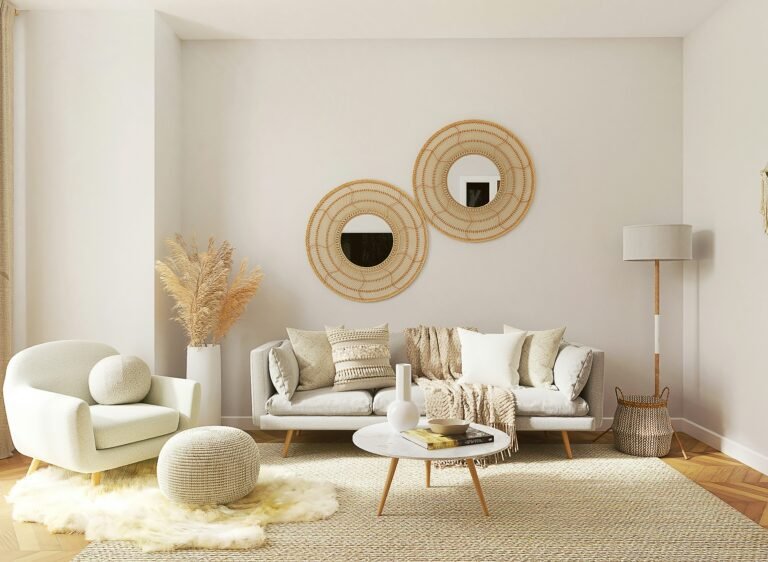
Modern minimalism has told us that a peaceful home meant empty shelves, perfectly clean and clutter free surfaces and rooms with crisp white walls. But for many people, that approach can end up feeling less like a relaxing space and more cold and impersonal.
This desire for a home that truly feels restorative is one of the reasons Japandi design continues to grow in popularity.
Japandi combines two design philosophies that naturally complement each other: Japanese minimalism and Scandinavian comfort. It brings together the Japanese idea of wabi-sabi, which celebrates simplicity and the beauty of imperfection, with the Scandinavian concept of hygge, which focuses on warmth, coziness, and everyday comfort.
Japandi is becoming more than just an interior design trend. It represents a way of creating spaces that feel intentional and rooms designed not only to look beautiful but also to support your mood, relaxation, and overall well-being.
The Core Design Foundations of a Japandi Bedroom
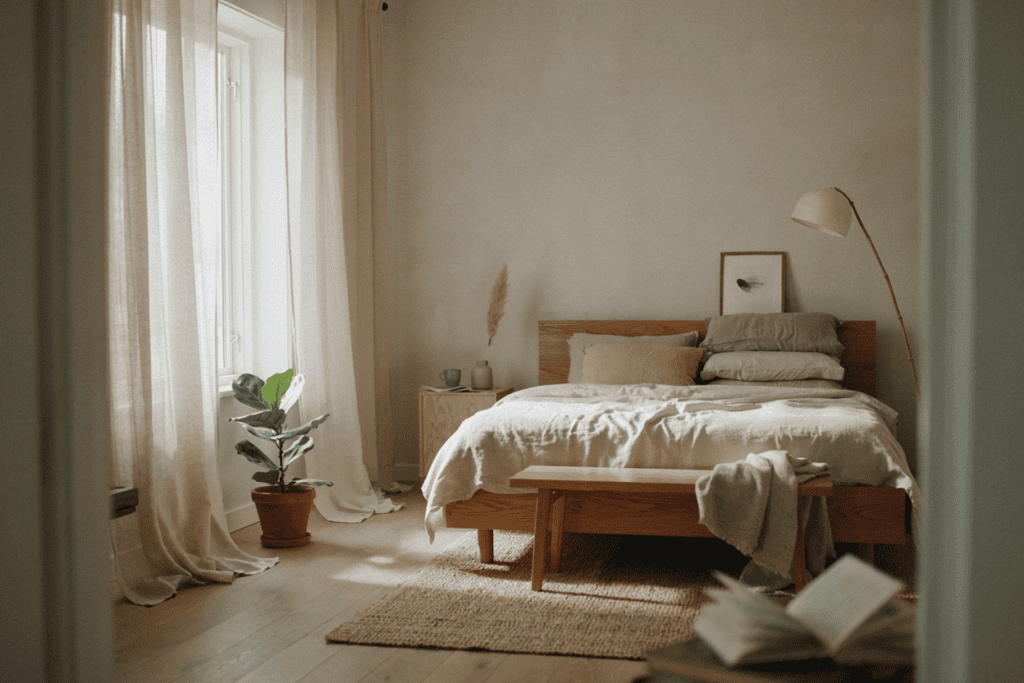
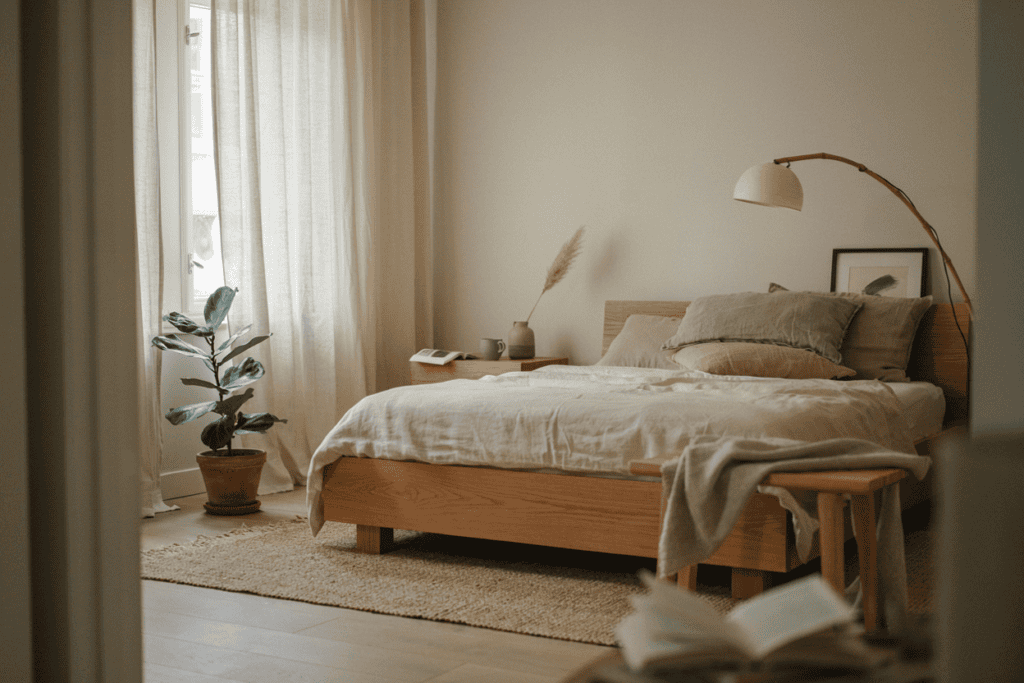
At the heart of Japandi bedroom design is a connection to nature. Instead of bright whites and cool gray tones, Japandi interiors use soft, earthy colors that create a feeling of calm from the moment you walk in.
Think warm taupe, creamy beige, muted sage green, soft clay tones, and gentle blue shades inspired by natural landscapes.
These colors work together to create a quiet backdrop that allows your mind to slow down.
But a Japandi bedroom is not about making a room feel empty or boring. The secret is adding depth through natural textures.
Layering materials like linen bedding, organic cotton throws, woven rugs, and textured blankets brings warmth and character without making the space feel cluttered. A low-profile platform bed is another signature Japandi element. Its simple shape keeps the room feeling grounded while creating a more open and spacious atmosphere.
The goal here is balance.
Japandi is just one of many beautiful interior design styles gaining popularity. Explore our guide to the top 12 interior design styles to find more inspiring home decor ideas and discover your perfect design aesthetic.
Why Japandi Bedrooms Feel So Restful
There is a reason certain spaces instantly make us feel calmer. The way a room looks, feels, and sounds can influence our stress levels and how easily we relax.
Japandi design naturally incorporates many elements that connect us with nature, often called biophilic design. Adding natural wood, organic shapes, plants, and earthy materials can help create a stronger sense of peace and comfort.
A wooden bedside table with visible grain, a simple branch arrangement, or even a view of greenery outside your window can make a bedroom feel more connected to the natural world.
Lighting also plays a huge role in creating a relaxing bedroom environment.
Bright overhead lighting in the evening can make your brain feel like it is still daytime, making it harder to transition into rest mode. Instead, Japandi bedrooms often use soft, layered lighting, such as warm bedside lamps, wall sconces, and indirect lighting, to create a gentle glow that encourages relaxation.
Sound and texture matter too. Hard surfaces can make a room feel louder and less cozy, while natural materials help soften the atmosphere. Wood details, woven fabrics, linen curtains, and textured bedding all contribute to a bedroom that feels calmer and more comfortable.
Choosing Sustainable Materials and Thoughtful Pieces
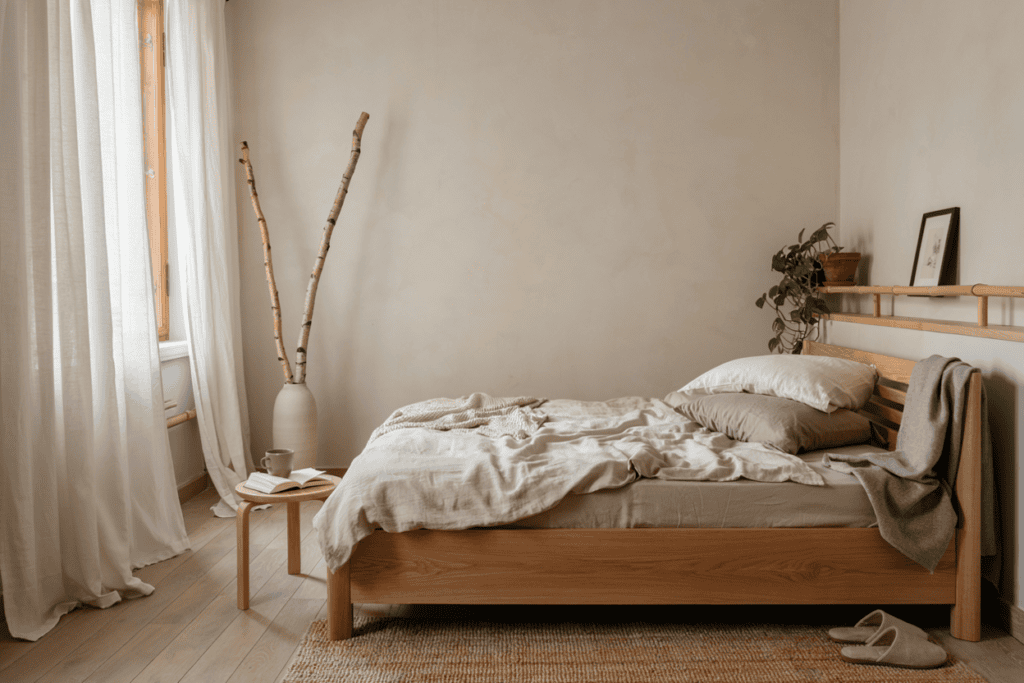
A peaceful bedroom should also feel good knowing that the items inside it were chosen with intention.
Modern Japandi design places a strong focus on quality, sustainability, and buying fewer but better pieces. Instead of filling a room with fast furniture that may need replacing in a few years, the focus is on timeless pieces designed to last.
Choosing furniture made from responsibly sourced wood, bamboo, or other natural materials helps create a space that feels connected to nature while supporting more sustainable choices.
A solid wooden dresser, a handmade ceramic lamp, or a well-crafted bed frame may cost more upfront, but these pieces often become long-term staples in your home.
This approach fits perfectly with the Japandi philosophy: live simply, choose carefully, and surround yourself with things that truly matter.
Adding Personality Without Losing the Calm
Contrast is what gives a Japandi bedroom warmth and personality.
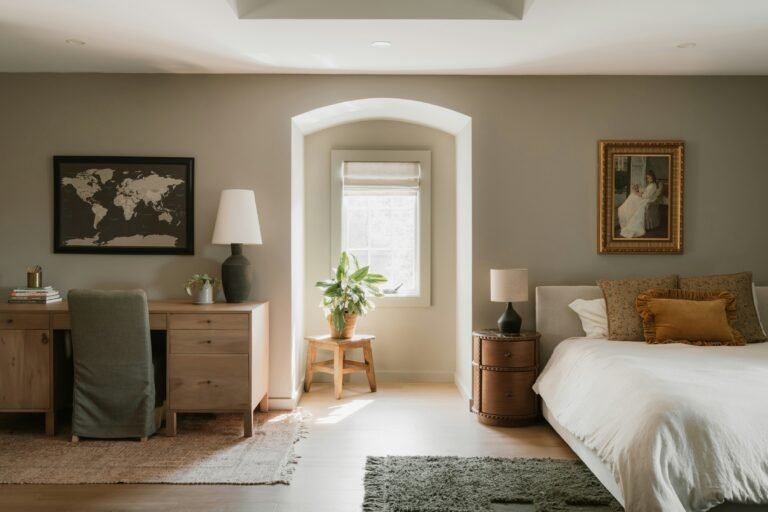
A dark wood nightstand, matte black lamp, or deeper brown accent can add visual interest while still keeping the room peaceful. These small touches create balance and prevent the space from feeling too plain.
Architectural details can also add character. Soft curves, rounded furniture, arched doorways, and textured wall panels bring subtle movement into a simple room.
Even something as small as natural wood paneling can completely change how a bedroom feels by adding shadows, texture, and depth throughout the day.
Easy Japandi DIY Projects You Can Complete in a Weekend
You do not need to completely renovate your bedroom to create a Japandi-inspired space.
Small updates can make a surprisingly big difference.
One simple project is adding texture to plain walls. A limewash paint finish or subtle textured wall treatment can create a soft, natural look that feels warmer than traditional flat paint.
Another popular Japandi-inspired DIY is creating a wooden slatted headboard.
Using bamboo or thin wood slats, you can build a simple feature behind your bed that adds architectural interest without overwhelming the room. The natural texture creates beautiful shadows and instantly gives the bedroom a more custom, designer feel.
Sometimes the smallest changes create the biggest impact.
Japandi Bedroom Ideas for Small Spaces
Japandi design works especially well in smaller bedrooms because it focuses on simplicity and intentional living.
Instead of filling the room with furniture, the goal is to choose pieces that serve a purpose while keeping the space open.
A platform bed with built-in storage can hide extra bedding and seasonal items without adding bulky furniture. Floating nightstands help maintain an open feeling by keeping the floor visible, which can make a small bedroom appear larger.
Light, airy window treatments such as linen curtains are another great choice. They allow natural light to filter through while adding softness and texture.
The Japandi approach proves that a small bedroom just needs the right things, not more things.
Creating a Japandi Bedroom That Changes With the Seasons
One of the best things about Japandi design is how naturally it adapts throughout the year.
During warmer months, embrace the lighter Scandinavian side of the style. Swap heavy blankets for breathable linen bedding, open windows to let fresh air in, and bring in simple greenery or seasonal branches.
When colder months arrive, lean into the cozy side of Japandi.
Add chunky knit blankets, wool throws, textured cushions, and warmer wood tones to create a bedroom that feels like a peaceful escape from the cold.
The beauty of Japandi is that your bedroom does not need to stay exactly the same all year. It can evolve with the seasons and with the way you live.
Creating Your Own Japandi Sanctuary
A Japandi bedroom is about creating a space that supports the way you want to feel every day.
By removing unnecessary clutter, choosing natural materials, and focusing on comfort, you can create a bedroom that feels like a true escape from the outside world.
You do not need to transform your entire room overnight.
Start with small changes:
- Clear off your bedside table
- Replace harsh bulbs with warm lighting
- Add a linen blanket or textured throw
- Bring in a natural wood element
- Remove anything that does not make your space feel peaceful
Over time, these small intentional choices build a bedroom that feels calm, comfortable, and completely your own.
Because at the end of the day, the best bedroom is one that helps you feel at home.