12 Popular Home Interior Design Types Explained (How to Find Your Style)
A practical breakdown of the top home interior design types and how to blend them into a space that feels like you.
When you walk into a well-designed home, it’s noticeable. Everything seems to flow. The lighting feels natural, the textures balance each other, and the space carries a cohesive energy. It feels different than walking into a space with seemingly random furniture. You can feel when a room works because it feels like everything belongs there for a reason, this is often because it thoughtfully aligns with one of the primary home interior design types.
But achieving a well-designed home is tricky.
Our social media feeds are flooded with an endless cycle of home decor trends. One week its total minimalism, then next week it pushes colorful decor layering. If your trying to build a cohesive space using random internet inspiration it can quickly lead to visual clutter and expensive regret.
Defining your personal aesthetic is the fastest way to cut through that noise.
Choosing furniture, paint, and lighting becomes a simple or at least an easier decision when you understand the baseline rules of primary interior design styles. Below is a complete breakdown of the twelve core interior design styles dominating homes today, followed by a simple blueprint to help you identify and refine your own look.
The Core 12 Interior Design Styles
1. Modern Minimalist
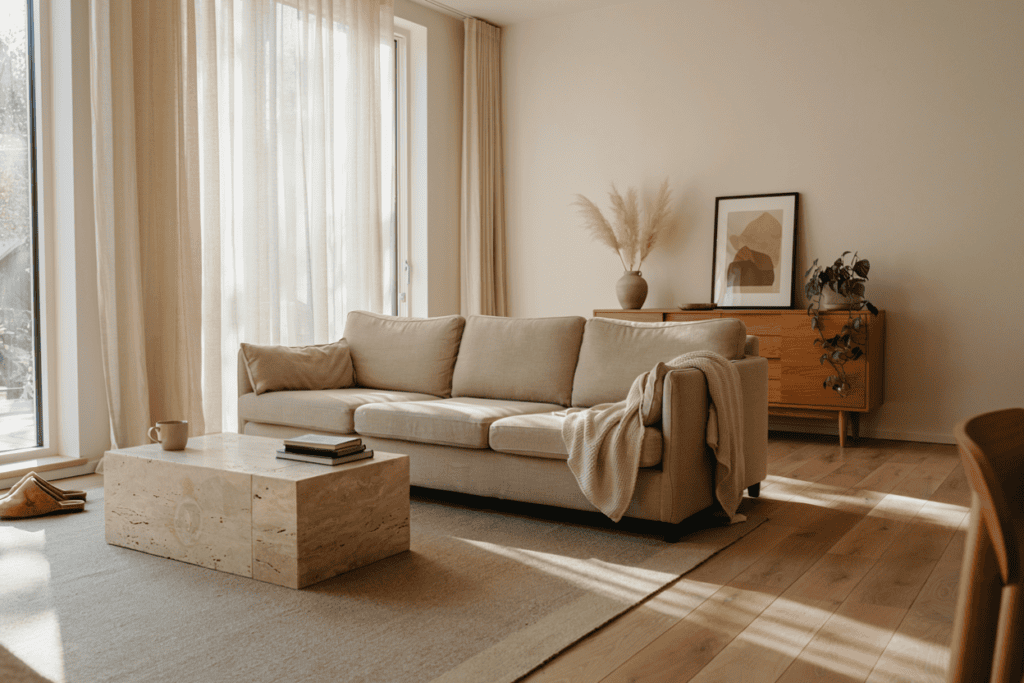
Modern Minimalist spaces focus on essential elements, clean lines, and intentional empty space. This look strips away unnecessary ornamentation in favor of crisp architectural geometry, functional layouts, and hidden storage solutions that keep everyday items out of sight.
- Signature Palette: Crisp whites, soft grays, warm beige, and sharp black accents.
- Primary Materials: Polished concrete, architectural glass, stainless steel, and smooth light woods.
- You’ll Love This If: You thrive in uncluttered, highly organized environments where calm and order come first.
2. Scandinavian (Scandi)
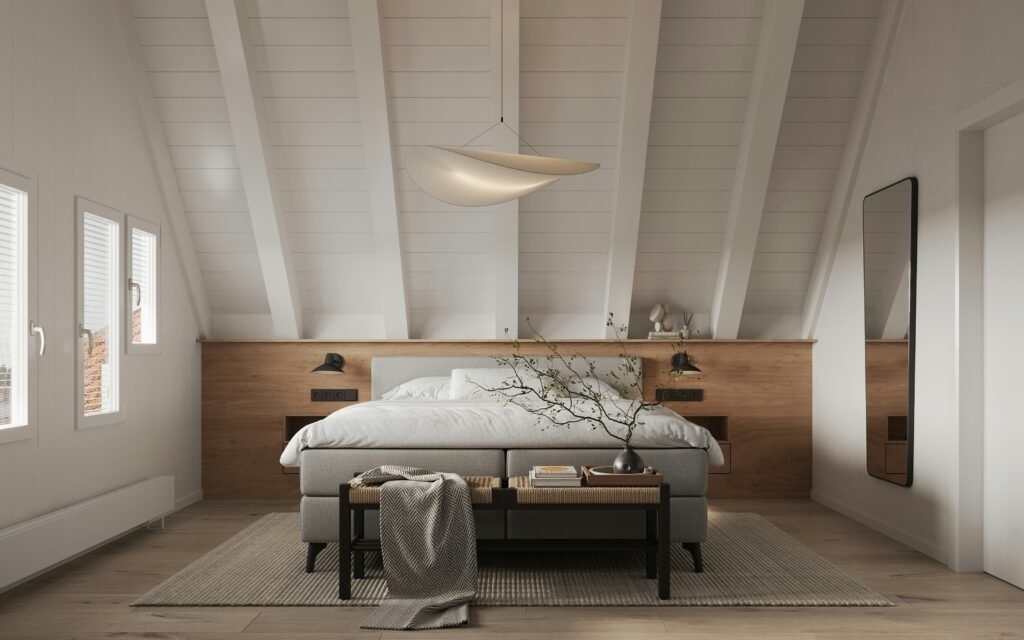
Originating in Nordic countries where winter days are short, Scandinavian design centers around maximizing natural light and creating warm, inviting interiors. It balances clean modern silhouettes with soft, tactile textiles and natural materials, a concept closely tied to the Danish feeling of hygge.
- Signature Palette: Bright whites, muted grays, icy blues, and pale blush tones.
- Primary Materials: Blonde oak, soft wool, organic linen, and natural sheepskin.
- You’ll Love This If: You want a clean, simple layout that still feels cozy, warm, and lived-in.
3. Mid-Century Modern (MCM)
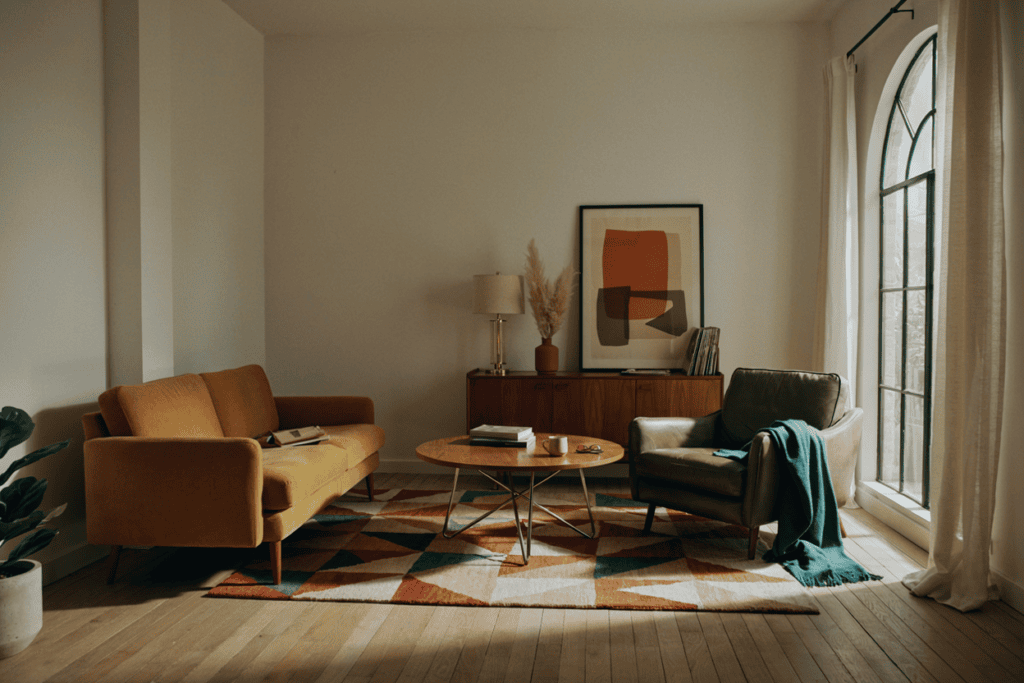
Emerging in the mid-20th century (mid-1940s to mid-1970s), this aesthetic focuses on functional forms, low profiles, and seamless integration between indoor and outdoor spaces. Mid-Century Modern features iconic furniture silhouettes with tapered peg legs, gentle curves, and understated geometric patterns.
- Signature Palette: Warm wood tones paired with mustard yellow, olive green, teal, and burnt orange.
- Primary Materials: Teak, walnut, rosewood, top-grain leather, chrome, molded plastic, and warm brass hardware.
- You’ll Love This If: You appreciate classic 1950s and 60s architectural forms, vintage furniture, and timeless mid-century design history.
4. Industrial
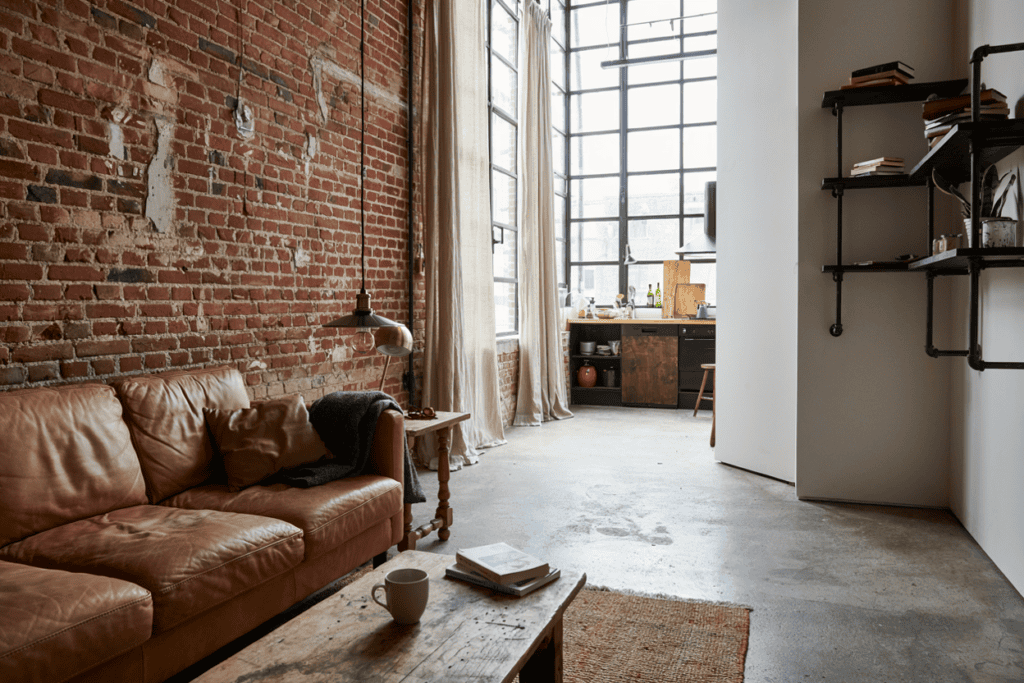
Inspired by converted urban warehouses and industrial factories, this style celebrates raw structural elements that traditional design typically hides. Industrial interiors feature open floor plans, exposed building materials, and large-scale metal windows.
- Signature Palette: Charcoal gray, rusty iron, cool concrete, and deep black.
- Primary Materials: Exposed brick, cast iron, distressed leather, poured concrete, and reclaimed timber.
- You’ll Love This If: You enjoy edgy, unpolished spaces with architectural character and a nod to urban history.
5. Transitional
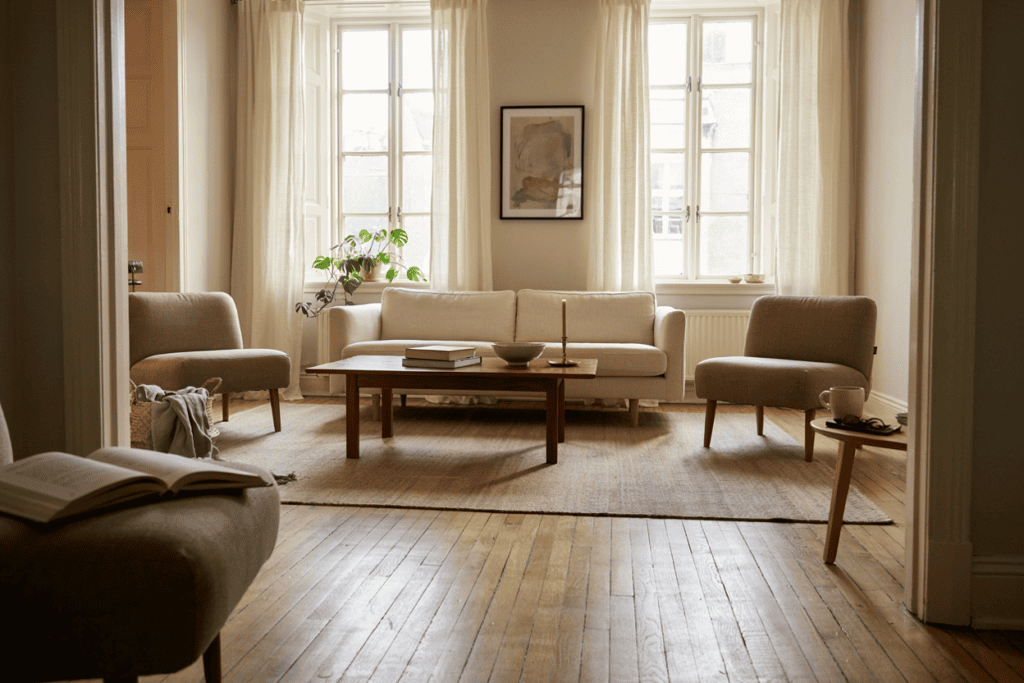
Transitional design sits comfortably between classical traditional style and sleek contemporary lines. It takes the ornate, classic profiles of older furniture styles and updates them with clean finishes, relaxed fabrics, and balanced, symmetrical room layouts.
- Signature Palette: Monochromatic neutrals including off-white, warm gray, deep taupe, soft charcoal and muted slate .
- Primary Materials: Medium-toned hardwoods, brushed nickel, velvet, and tailored woven fabrics.
- You’ll Love This If: You appreciate the character of classic design but want a modern, airy atmosphere without feeling outdated.
6. Modern Farmhouse
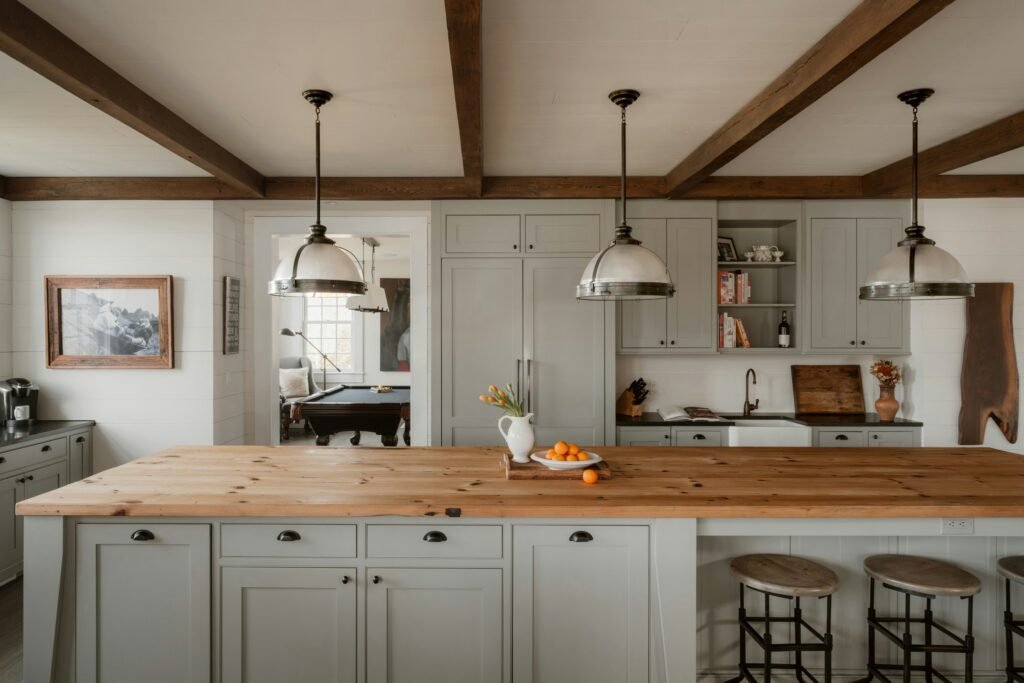
Modern Farmhouse blends rustic architectural details with modern family functionality. The aesthetic trades heavy traditional country themes for bright white walls, dark metal hardware, and practical furniture built to handle daily life.
- Signature Palette: Creamy whites, soft greiges, matte black accents, and dusty sage green.
- Primary Materials: Distressed wood, wrought iron, cotton slipcovers, and galvanized steel.
- You’ll Love This If: You want a durable, welcoming home environment that feels comfortable for guests, pets, and children alike.
7. Bohemian (Boho)
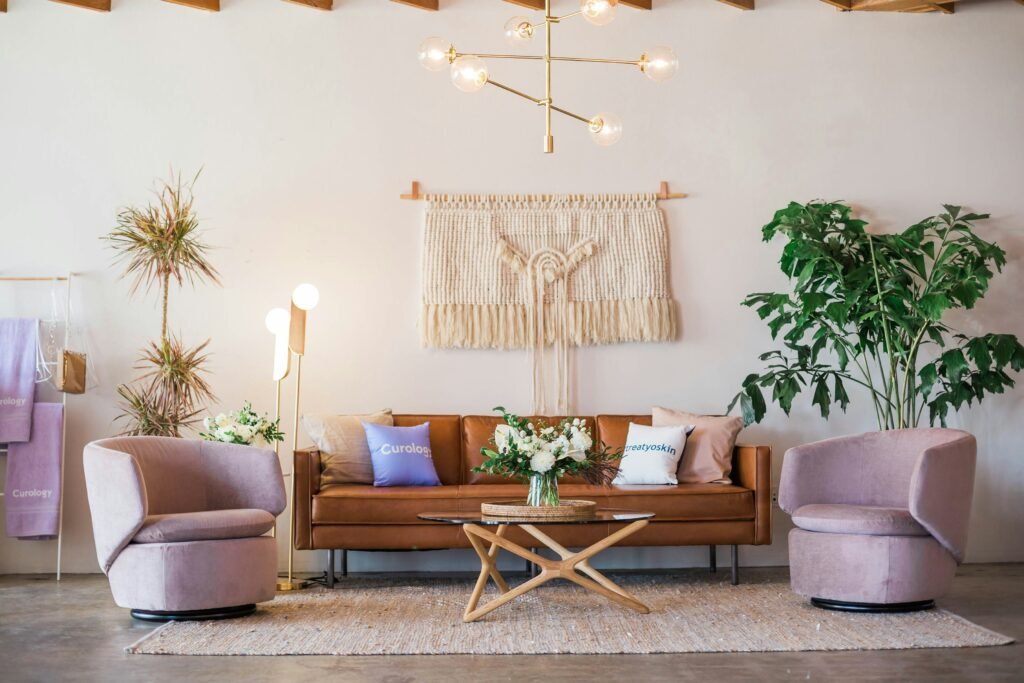
Bohemian interiors ignore strict symmetry in favor of creative expression, global collecting, and dense texture layering. Boho spaces rely on low floor seating, varied textiles, mixed vintage finds, and abundant plant life to create an informal, welcoming vibe.
- Signature Palette: Terracotta, rust, and warm ochre blended with jewel-toned emerald and sapphire accents.
- Primary Materials: Natural rattan, woven macramé, raw jute, patterned textiles, and fringe.
- You’ll Love This If: You are an avid traveler, collector, or artist who prefers layered personality over rigid design rules.
8. Traditional
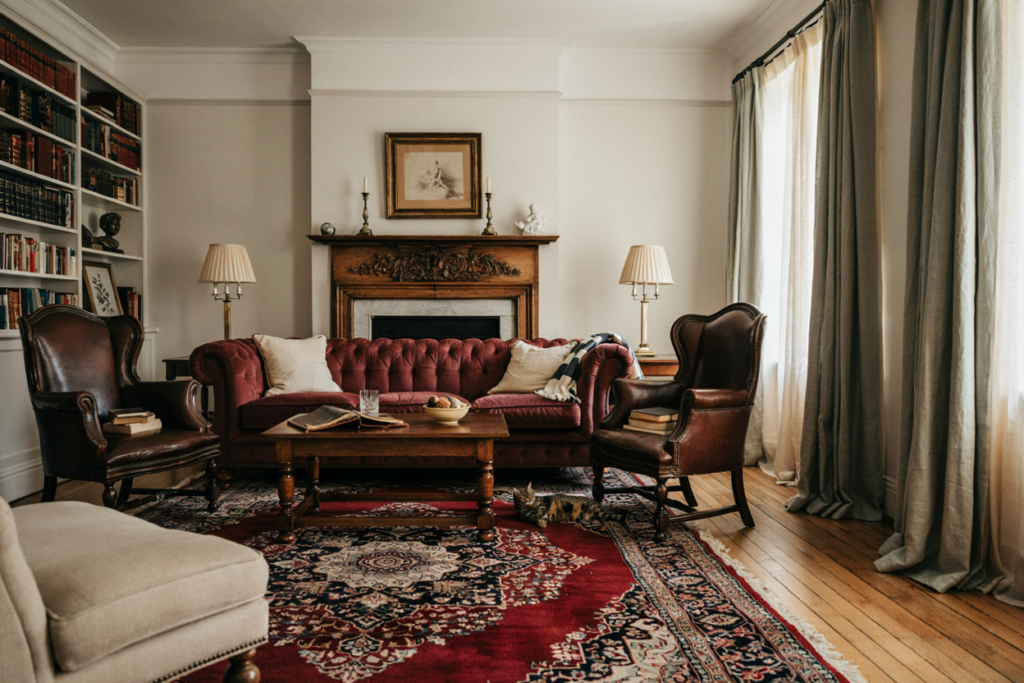
Grounded in European design history, Traditional spaces focus on formality, symmetry, and rich architectural details. Crown molding, antique wood furniture, matching pairs, and classic upholstery like Chesterfield sofas define this timeless look. They also include American Colonial, Georgian, and Victorian influences, especially in North America.
- Signature Palette: Deep burgundy, emerald green, warm cream, and rich mahogany wood tones.
- Primary Materials: Polished cherry, dark walnut, silk, velvet, brocade, and antiqued brass.
- You’ll Love This If: You love architectural symmetry, fine woodworking, antiques, and elegant details.
9. Japandi
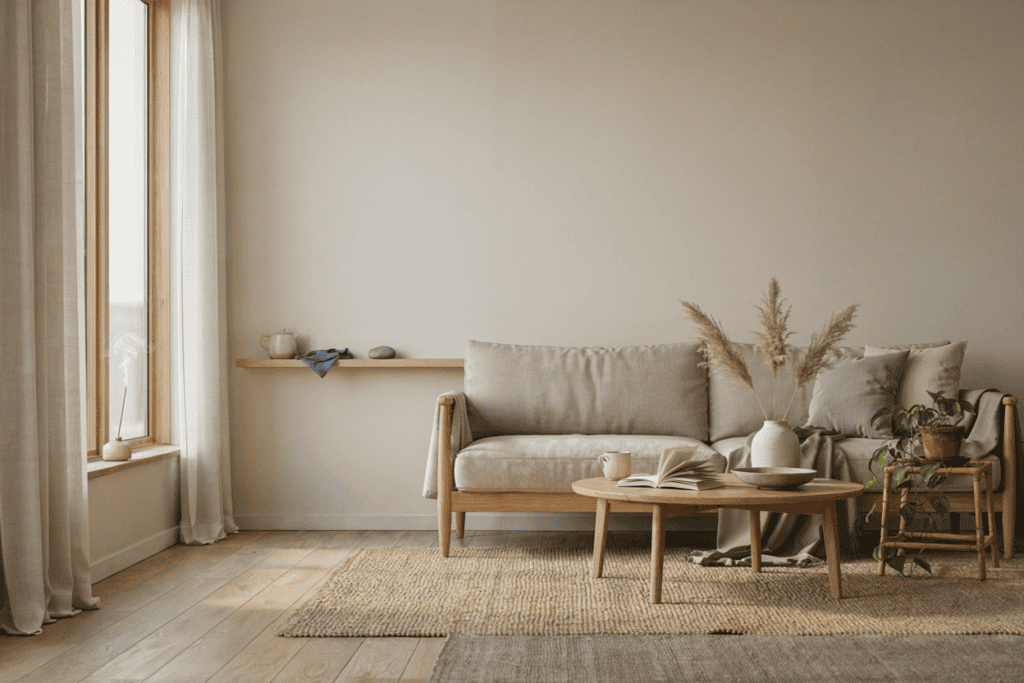
Japandi is the hybrid offspring of Japanese minimalism and Scandinavian warmth. This hybrid style focuses on quiet minimalism, low-profile furniture, high craft quality, and the philosophy of wabi-sabi, finding beauty in natural imperfections.
- Signature Palette: Warm oat colors, soft muted clay, light to medium wood tones, and charcoal accents.
- Primary Materials: Raw bamboo, light oak, handmade ceramics, paper shade lighting, and slubbed linen.
- You’ll Love This If: You want a peaceful, highly functional sanctuary that emphasizes craftsmanship and clean visual order.
Want to learn more about this serene blend of Japanese and Scandinavian design? Read our article Designing a Japandi Bedroom for Restorative Peace: The Science of Serenity, and discover how to create the look in your own space.
10. Coastal
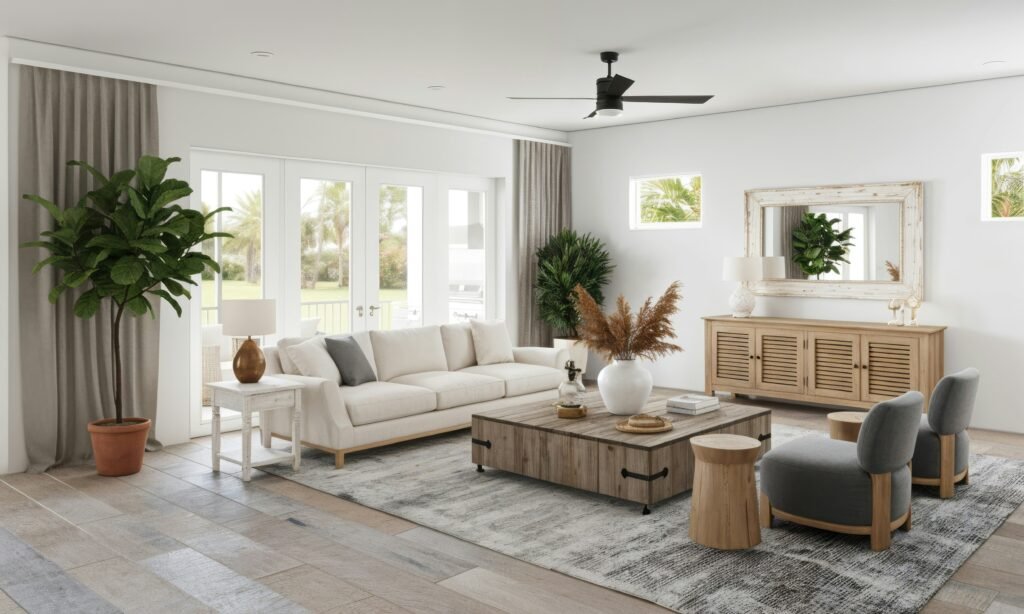
Coastal design draws inspiration from ocean landscapes without relying on cheesy beach decor or themed accents. It prioritizes light-flooded rooms, breezy drapery, slipcovered seating, and a balance of natural fiber textures that feel like a continuous retreat. The look is relaxed, organic, and emphasizes a connection to nature rather than formal elegance.
- Signature Palette: Pure white, pale sky blue, seafoam green, and warm sandy beige.
- Primary Materials: Washable linen slipcovers, light rattan, bleached driftwood, woven seagrass, and natural jute.
- You’ll Love This If: You want your home to feel open, airy, and relaxed throughout every season, with an emphasis on casual comfort and organic textures.
11. Contemporary
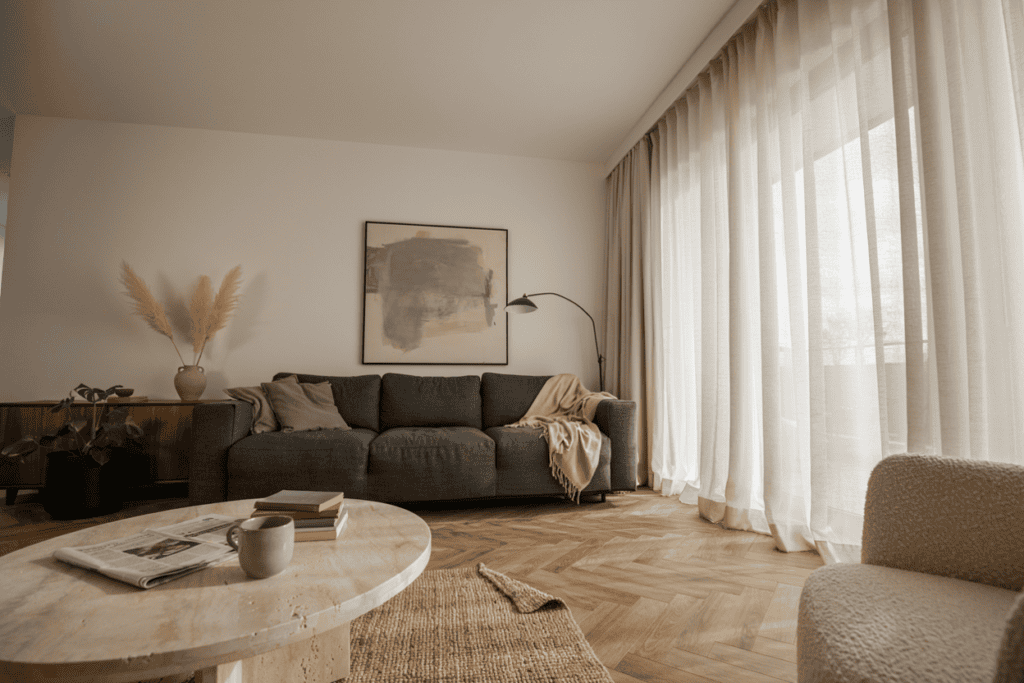
Unlike Modern design (which refers to a fixed historical period), Contemporary is fluid and changes with each decade. Today’s contemporary homes feature soft organic curves, textured fabrics like bouclé, and high-contrast color choices.
- Signature Palette: Crisp white and charcoal bases accented by rich, current trend colors.
- Primary Materials: Curved glass, honed marble, light woods, bouclé, and brushed brass.
- You’ll Love This If: You enjoy staying ahead of current architecture trends and like updating your home as design evolves.
12. Hamptons
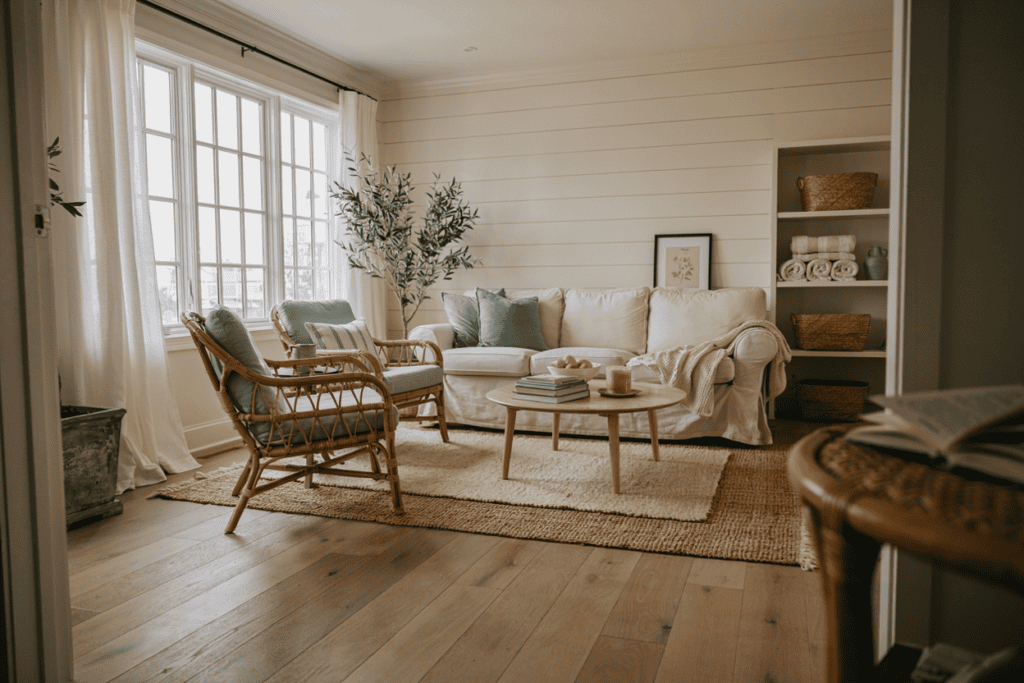
Hamptons style is a refined, upscale subset of Coastal design inspired by the classic East Coast estates of Long Island. It blends relaxed beachside living with preppy, traditional elegance, featuring crisp white walls, symmetrical layouts, and high-end finishes. Unlike casual Coastal, Hamptons leans more formal with tailored upholstery, classic moldings, and a polished, resort-like feel.
- Signature Palette: Crisp white, classic navy, soft gray, and muted sage or dusty blue accents.
- Primary Materials: Tailored linen and cotton upholstery, painted wood (often white or gray), brushed nickel or polished chrome, and high-quality woven rugs.
- You’ll Love This If: You appreciate a sophisticated, timeless look that feels both relaxed and polished—ideal for hosting guests while maintaining a sense of understated luxury.
How to Find Your Style (and Make It Yours)
So! Now you’ve explored the 12 most popular interior design types, the real work can begin: translating inspiration into a home that feels authentic to you.
Here’s how to pinpoint your style without getting overwhelmed:
- Audit Your Likes: Save images from Pinterest, Instagram, or magazines into one folder. After collecting 20–30, look for patterns, do you see lots of warm wood (Scandinavian/Japandi), bold colors (Boho), or crisp symmetry (Traditional/Hamptons), etc?
- Start with One Room: Pick the space you use most (often the living room or bedroom) and apply your chosen style there first. This builds confidence before tackling the whole house.
- Mix, Don’t Match: Most homes aren’t 100% one style. It’s common to blend elements, like a Modern Farmhouse kitchen with Transitional living room furniture. The key is maintaining a consistent color palette or material theme (e.g., all warm woods or all matte black hardware) to keep it cohesive.
- Test Before You Commit: Buy small decor items (pillows, art, vases) in your target style before investing in big furniture. If you love the look after a few weeks, you’re ready to scale up.
Your home doesn’t need to be perfect. The best interiors are those that reflect your lifestyle, comfort, and personality, whether that’s pure Japandi, minimalism or an eclectic mix of Boho and Mid-Century Modern.
Start with what feels right, evolve as you go, and remember: the goal is a space that makes you feel at home.