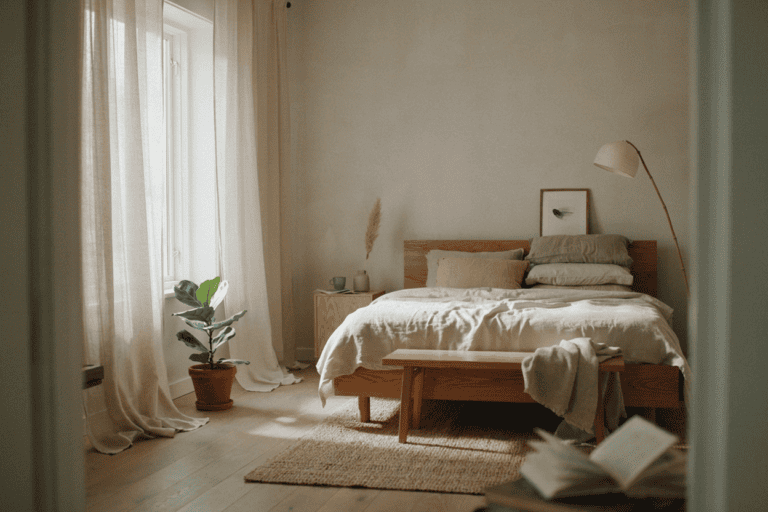
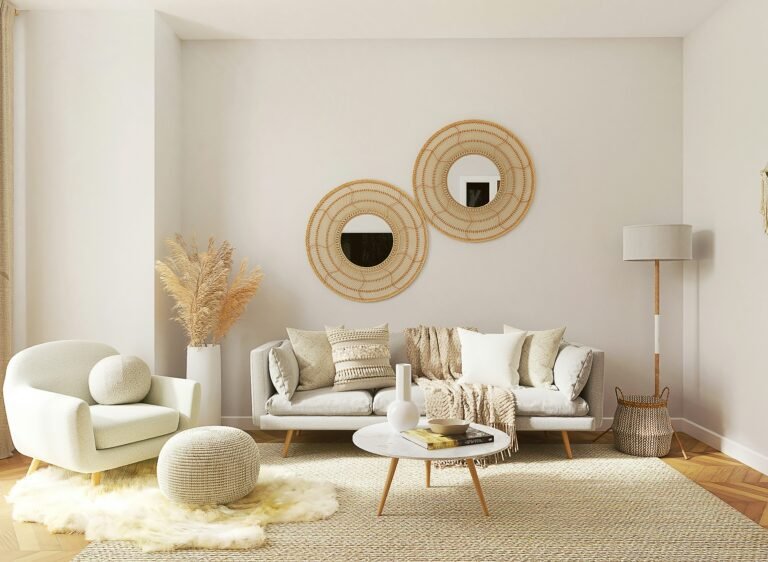
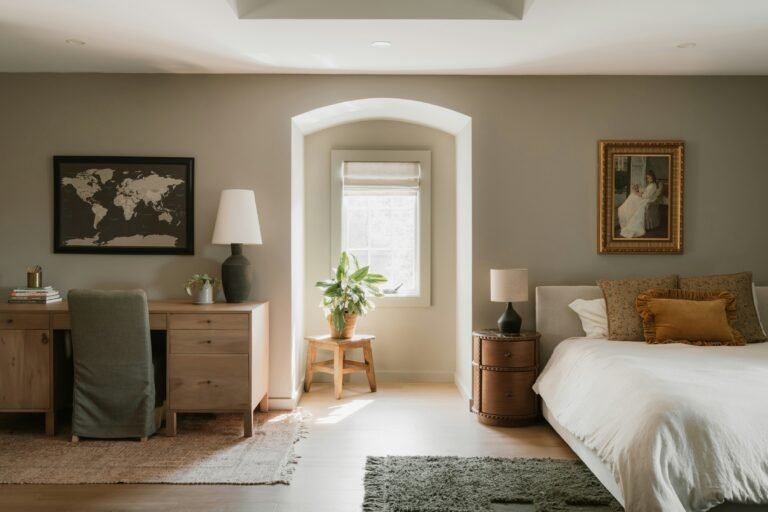
Organic Modernism: The Interior Design Trend Replacing Modern Farmhouse
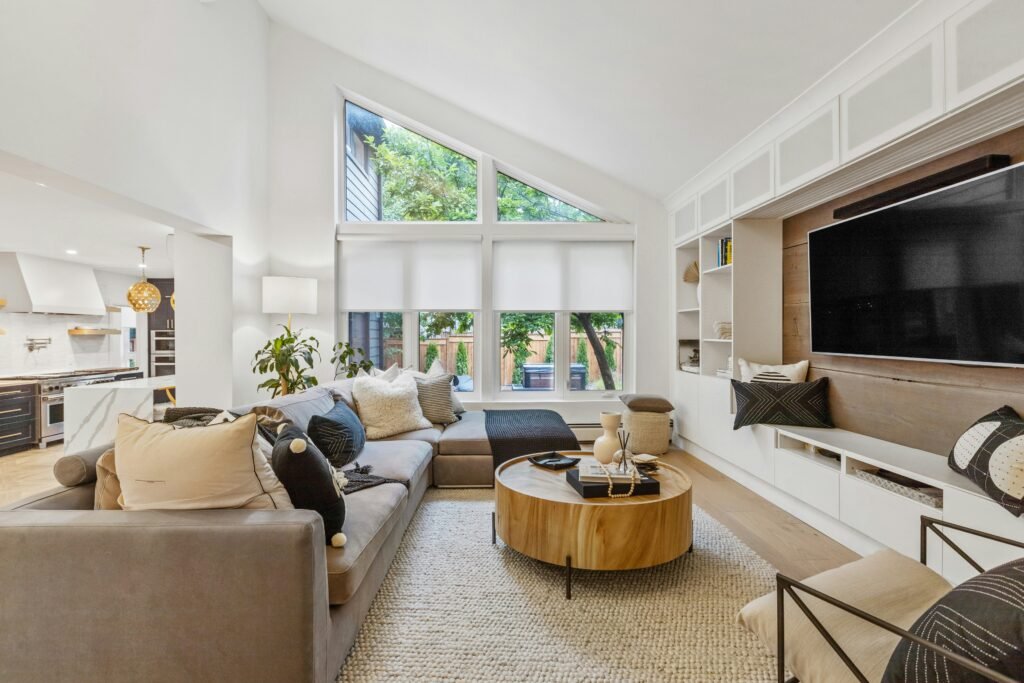
Why homeowners are moving away from the Modern Farmhouse look in favor of organic modernism which embodies natural materials, clean lines, and timeless design.
For years, Modern Farmhouse was the go-to interior design style. Now, homeowners and designers are embracing something that feels calmer, more timeless, and much more authentic: Organic Modernism.
Before, almost every newly renovated home seemed to follow the same formula: bright white walls, black window frames, sliding barn doors, and distressed wood furniture. It felt warm, cozy, and easy to recreate.
But as the style became more popular, it also became more predictable. Mass-produced shiplap, fake weathered wood, and farmhouse-inspired decor started making homes feel.
It’s clean without feeling cold, and minimal without feeling empty.
Organic Modernism is inspired by architects like Frank Lloyd Wright, who believed homes should blend naturally with their surroundings. It also takes cues from Brazilian modern architecture, known for its use of rich wood, natural stone, and bold, simple shapes. Together, these influences create homes that feel modern, warm, and deeply connected to nature.
ORGANIC MODERNISM AT A GLANCE
- Architectural Precision: Clean lines, thoughtful layouts, and simple details.
- Natural Authenticity: Real stone, natural wood, soft daylight, and organic textures.
- The Result: A space that feels modern, grounded, and effortlessly welcoming.
Create a Clean Architectural Foundation
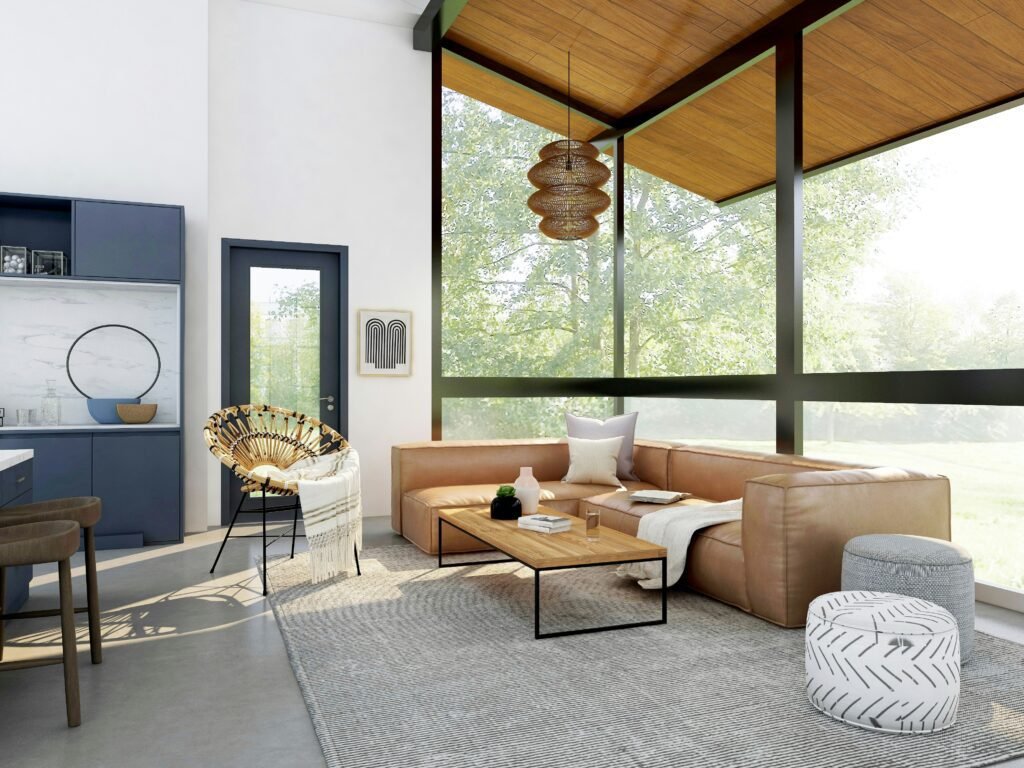
Natural materials like stone and wood look best when they’re paired with clean, modern architecture. Instead of covering every surface with texture, let those materials stand out against smooth walls, simple cabinetry, and crisp lines.
For example, rough stone around a fireplace feels much more intentional when it’s surrounded by sleek walls or black metal trim. The contrast between refined architecture and raw materials is what gives Organic Modern homes their signature look.
Another important design trick is leaving some empty space.
Not every wall needs artwork, shelves, or decorative paneling. Empty walls actually give your eyes a place to rest and make statement pieces, ike a large oak dining table or a beautiful stone fireplace, stand out even more.
Floor-to-ceiling glass, oversized windows, and large stone surfaces also work beautifully together. The glass keeps the room feeling open and light, while the stone adds warmth and permanence.
Choose Materials That Feel Real
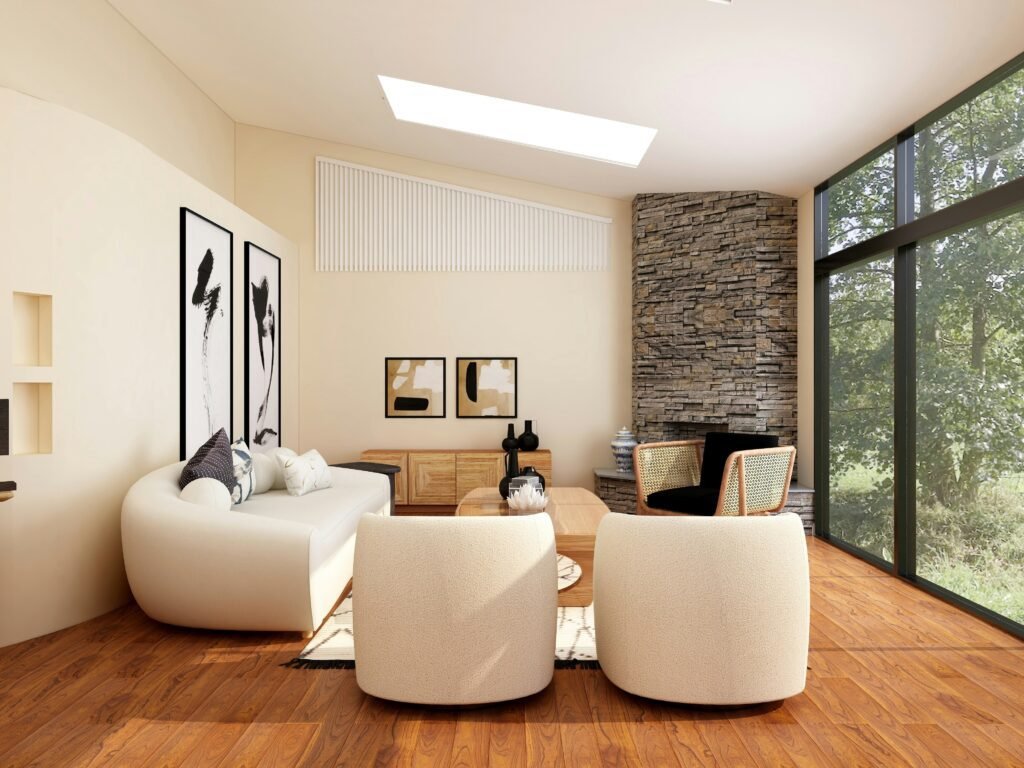
One thing Organic Modern design gets right is authenticity. Instead of trying to imitate natural materials, it celebrates the real thing.
Here are a few material choices that make a big difference:
Wood Finishes
- Hardwax oil instead of polyurethane: Hardwax oil soaks into the wood instead of covering it with a plastic-like coating, allowing the natural texture and character to shine through.
- Natural wood finishes: Choose oak, walnut, ash, or other woods with matte or low-sheen finishes that let the grain remain visible.
Stone Surfaces
- Honed, leathered, or tumbled stone: These finishes feel softer and more natural than highly polished stone, making the space feel warmer and more inviting.
Let Natural Light Shine
If you’re building or renovating, large windows help create the indoor-outdoor feeling Organic Modern homes are known for. The more natural daylight you can bring inside, the better.
How to Transition from Modern Farmhouse
So, here’s the good news: you don’t have to completely redesign your home. Many parts of Modern Farmhouse already work well with Organic Modern design.
You can keep:
- Neutral wall colors
- Comfortable furniture
- Open floor plans
- Functional family-friendly layouts
Instead, focus on replacing some of the details.
Swap distressed furniture for pieces made from natural wood with visible grain. Replace rustic farmhouse lighting with cleaner, sculptural fixtures made from brushed brass, black steel, or hand-blown glass.
Small changes like these can completely transform the look of a room.
THE PALETTE EVOLUTION
Old Look
- Bright white walls
- Sharp black accents
- High contrast everywhere
Organic Modern
- Warm cream
- Soft beige
- Sand tones
- Natural whites
- Accents of moss green, terracotta, or warm ochre
Instead of dramatic contrast, Organic Modern relies on layers of warm neutrals. These softer colors make rooms feel calm while allowing natural materials to become the focal point.
Add Texture Instead of Clutter
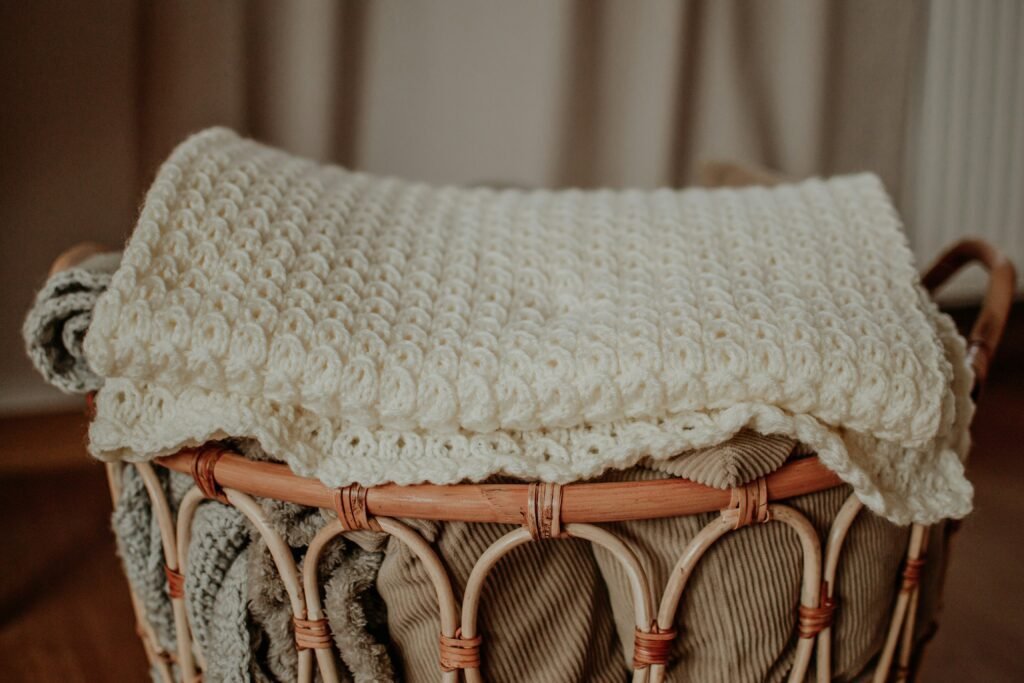
Since Organic Modern spaces don’t rely on lots of decorations, texture becomes much more important. Try mixing different materials throughout each room.
For example:
- A limestone side table
- A leather chair
- Linen curtains
- A chunky wool throw
- A woven basket
Even though the color palette stays neutral, combining different textures keeps the room from feeling flat.
Plants also play a big role.
Large indoor plants like fiddle-leaf figs, olive trees, or rubber plants bring life into the room while strengthening the connection to nature.
You can even think about scent as part of your home’s design. Candles or reed diffusers with cedarwood, sandalwood, lavender, or amber create a relaxing atmosphere that matches the overall aesthetic.
The 3–5–7 Styling Rule
One challenge with minimalist decorating is knowing when enough is enough. A simple styling rule can help keep surfaces looking curated instead of cluttered.
3 Objects for Height
Group three decorative pieces at different heights.
For example:
- A tall ceramic vase
- A medium candle holder
- A low stone bowl
5 Textures
Include at least five different materials within a space.
For example:
- Leather
- Wool
- Linen
- Wood
- Woven rattan
7 Decorative Accents
Limit yourself to around seven carefully chosen decorative pieces throughout the room. This helps guide the eye around the space without making it feel crowded.
Remember, bigger is often better.
One oversized ceramic vase makes a stronger statement than several small decorative items scattered across a table.
Invest in Pieces That Last
One of the biggest reasons Organic Modern has become so popular is that it isn’t based on short-lived trends.
Instead of buying inexpensive decor that imitates natural materials, focus on investing in pieces you’ll enjoy for years.
Natural fabrics like:
- Linen
- Wool
- Organic cotton
- Jute
not only look better over time, but they also tend to wear more beautifully than synthetic alternatives.
Vintage furniture, reclaimed wood, and salvaged stone are also excellent choices. These pieces already have history and character, making your home feel unique rather than decorated straight from a showroom.
Organic Modernism is about creating a home that feels calm, comfortable, and connected to nature. By combining clean architectural lines with genuine materials, warm neutral colors, and thoughtful styling, you can create a space that feels timeless instead of trendy.
The goal is to choose fewer, better pieces that bring warmth, texture, and lasting beauty to your everyday life.