Home Psychology: How Your Home Affects Your Mood, Stress, and Everyday Life
Decoding the Psychology of Space to Help You Feel Calmer, Focus Better, and Love Your Home
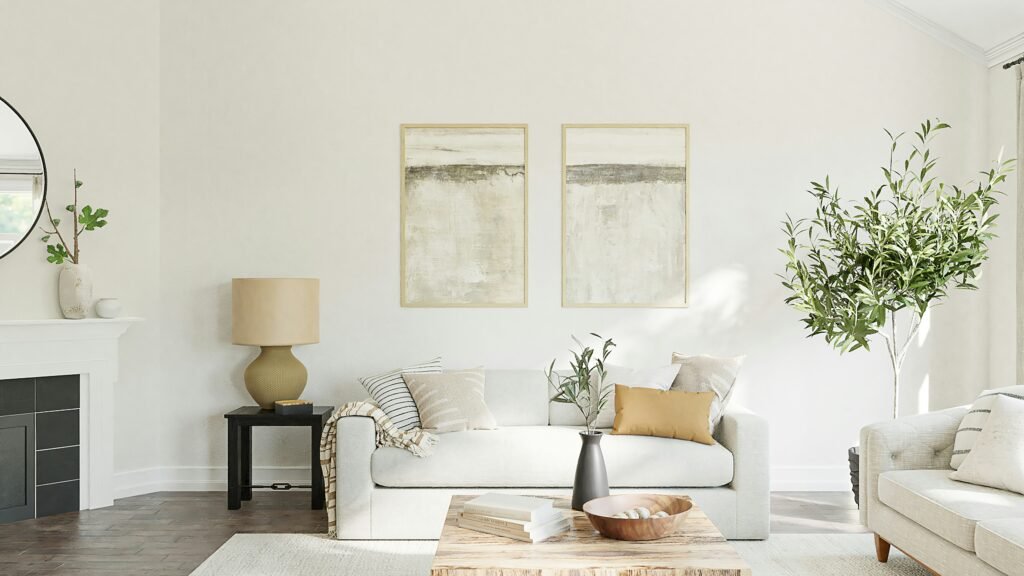
Most of us think of decorating as something that’s all about looks, choosing paint colors, buying a new sofa, or hanging artwork. But your home does much more than look nice. The spaces you spend time in quietly influence your mood, your focus, your stress levels, and even your daily habits.
This is where environmental psychology comes in. It’s the study of how our surroundings affect the way we think and feel.
Research has shown that cluttered, chaotic environments can increase cortisol, your body’s primary stress hormone. Every overflowing laundry basket, pile of unopened mail, or crowded countertop gives your brain one more thing to process. On their own these little things don’t seem like much, but together they can leave you feeling mentally drained before the day has even really started.
The good news? Small changes to your home can make a surprisingly big difference.
So why does one room make you feel peaceful while another makes you want to leave?
There are a few fascinating ideas from environmental psychology that help explain it.
Your Brain Likes Simplicity
One important concept is called processing fluency, which is just a fancy way of saying your brain likes spaces that are easy to understand.
When a room has clear walkways, good lighting, and isn’t overflowing with stuff, your brain doesn’t have to work very hard. Everything feels calm and effortless.
But when furniture blocks pathways, every surface is covered, or the room feels visually busy, your brain has to constantly filter through all that information. Over time, that extra mental effort can leave you feeling tired, distracted, or irritable.
Feeling Connected to Your Home
Another important idea is place attachment.
This is the emotional connection you develop with a space that feels safe, comfortable, and uniquely yours.
That’s why a house starts feeling like home when it’s filled with things that reflect your personality like family photos, artwork you love, travel souvenirs, or meaningful keepsakes. These little reminders help create a sense of comfort and belonging every time you walk through the door.
Your Home Is Constantly Sending Signals
Whether you notice it or not, your home is always communicating with your brain. Lighting tells your body whether it’s time to be alert or wind down. Colors can make you feel energized or relaxed. A cramped furniture layout can create tiny moments of frustration every single day. Even clutter quietly competes for your attention.
Your environment is constantly shaping how you feel.
Creating a home that supports your mental well-being doesn’t mean starting a huge renovation project. Most of the time, it’s the little things that have the biggest impact.
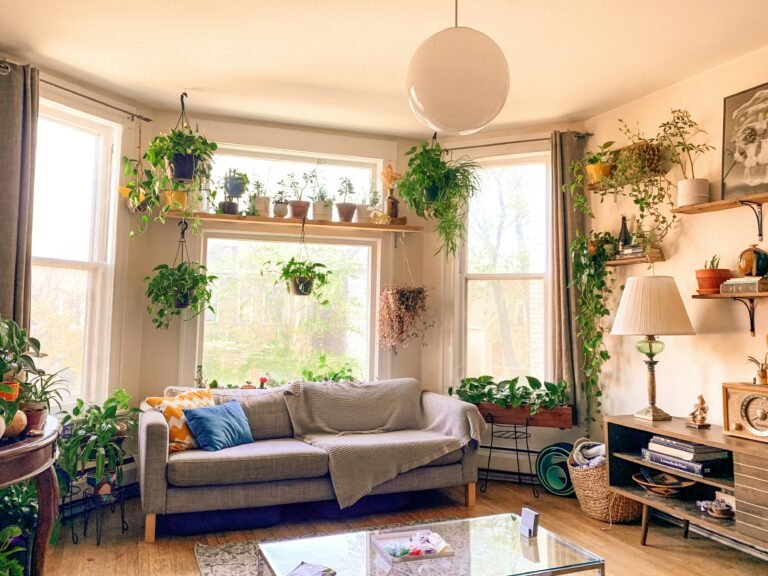
Let Natural Light Work for You
Light has a huge influence on your body’s internal clock.
Morning sunlight helps wake your brain up naturally and boosts your energy for the day. During working hours, brighter light helps you stay focused.
As evening rolls around, switching to warmer, softer lighting tells your brain it’s time to slow down and prepare for sleep.
One simple change, using warm bedside lamps instead of harsh overhead lights, can completely change the feel of your evenings.
Choose Colors That Match the Mood
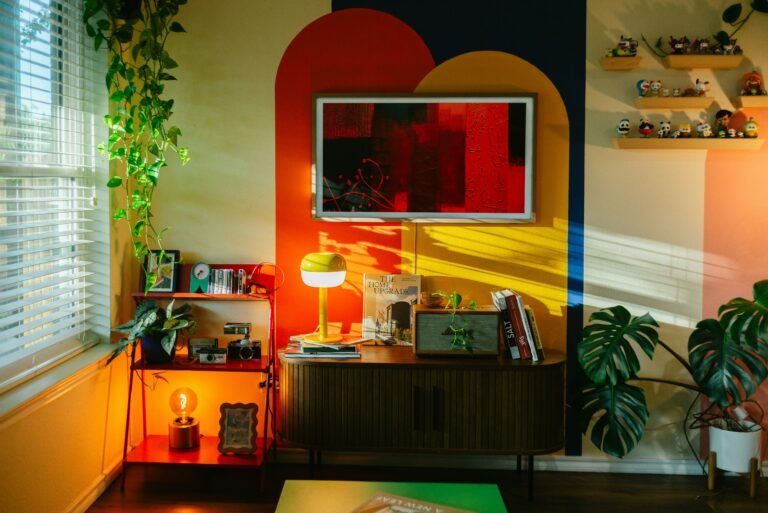
Colors affect us more than we realize. Bold reds, oranges, and bright yellows naturally feel energetic, making them great choices for exercise spaces or creative areas. If your goal is relaxation, softer colors like sage green, warm beige, muted blues, and gentle grays create a calmer atmosphere that’s easier on the eyes.
Reduce Visual Clutter
Every item sitting out in the open asks for a tiny bit of your attention.
The more things your brain has to process, the more mentally exhausting your home becomes.
Keeping everyday surfaces relatively clear, creating obvious walkways, and giving everything a designated home makes your space feel lighter, and your brain notices the difference.
If clutter feels like your biggest source of stress, try reading my guide to creating a clutter-free home that supports both your mind and your space.
Think Beyond What You See

Your home isn’t just experienced through your eyes. Soft blankets. A plush rug. The smell of cedar or lavender. The quiet created by curtains or upholstered furniture. All of these details help create a space that feels warm, safe, and comforting.
Fill Your Home With Meaning
Homes that feel the best are the ones filled with personality. Display artwork that makes you smile. Frame family photos. Showcase souvenirs from meaningful trips. These personal touches remind you of happy memories throughout the day and make your space feel uniquely yours.
Every room has a different job, and your design choices should support that purpose.
Bedroom
Your bedroom should help your brain switch into rest mode.
That means calming colors, limited electronics, blackout curtains if possible, and keeping work-related items out of sight whenever you can.
The less your brain associates your bedroom with work or stress, the easier it is to relax.
Living Room
Think of your living room as a place for both connection and comfort.
Instead of pointing every chair toward the TV, try arranging seating so people naturally face one another too. Add cozy blankets, layered lighting, and soft textures to make the room feel inviting.
Kitchen
A cluttered kitchen often makes cooking feel overwhelming before you’ve even started.
Keeping countertops mostly clear and organizing frequently used items can make meal prep feel much calmer, and honestly, much more enjoyable.
Home Office
If you work from home, your workspace should help you focus.
Position your desk where you can look toward a window or doorway instead of staring at a blank wall all day. Keep only your current project on your desk and store everything else out of sight to reduce distractions.
There’s no such thing as the “perfect” home because every person experiences their environment differently.
If You Have Anxiety or ADHD
Too much visual stimulation can quickly become overwhelming.
Closed cabinets instead of open shelving, simple storage systems, and clearly defined areas for work and relaxation can make everyday life feel much more manageable.
Small Homes vs. Large Homes
Small homes often benefit from furniture with lower profiles, mirrors that bounce light around the room, and consistent flooring to help spaces feel larger.
Large homes have the opposite challenge, they can sometimes feel cold or disconnected. Grouping furniture into smaller conversation areas instantly makes big rooms feel warmer and more inviting.
A Simple 7-Day Home Psychology Reset
You don’t have to redesign your entire home this weekend. Instead, try making one small improvement each day.
Day 1: Clear your entryway so coming home immediately feels calmer.
Day 2: Replace cool white bulbs in bedrooms with warm lighting for a cozier evening atmosphere.
Day 3: Completely clear one frequently used surface like your kitchen counter, coffee table, or desk.
Day 4: Create a clear boundary between work and relaxation by putting away work supplies at the end of the day.
Day 5: Add one comforting sensory element, like a textured throw blanket, cozy rug, or favorite candle.
Day 6: Create a small display of meaningful items that make you smile whenever you see them.
Day 7: Open the curtains, clean the windows, and arrange your seating to take advantage of natural light.
Your Home Should Support You
We spend most of our lives inside our homes, yet we rarely stop to think about how those spaces are affecting us.
The good news is that creating a home that feels calmer and works better doesn’t require an expensive renovation or a degree in interior design.
Often, it’s the simple changes, letting in more natural light, clearing a countertop, adding softer textures, or rearranging furniture, that make the biggest difference.
The more intentionally you design your home, the more your home starts working for you instead of against you. Because at the end of the day, taking care of your home is about creating a place that helps you feel your best every single day.