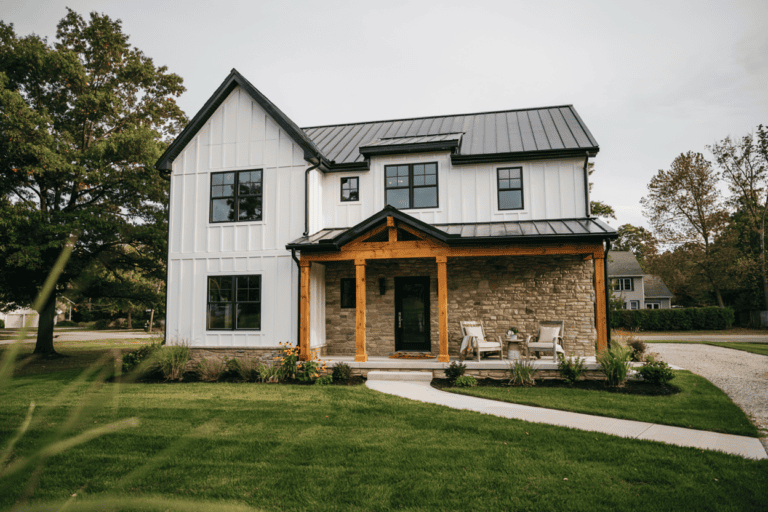
Home Exterior Design Styles: A Guide to the Top 5 Looks
Finding the Architectural Style That Brings Your Home Together
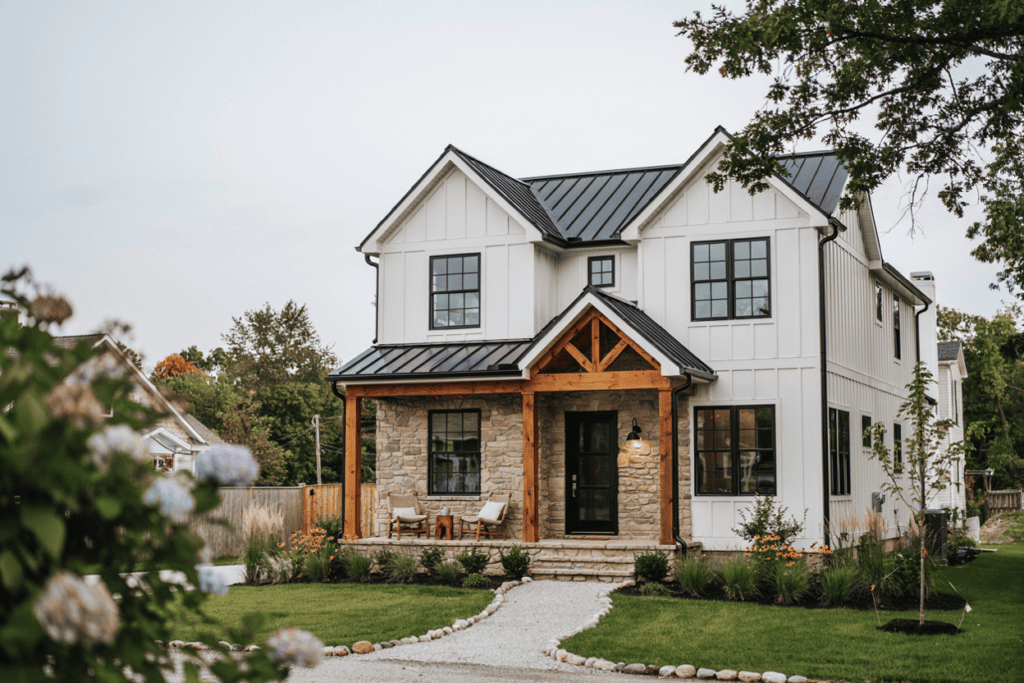
Your home’s exterior plays a big role in curb appeal and resale value, but it’s also a reflection of your personal style.
Having a clear exterior design style makes every decision much easier. Instead of wondering which siding, roofing, windows, front door, or landscaping will work together, you’ll have a guide that helps everything feel cohesive.
Rather than mixing features that compete with one another, you can create a home that looks intentional from every angle.
In this guide, we’ll explore five of today’s most popular exterior design styles: Modern Farmhouse, Contemporary, Traditional, Craftsman, and Mediterranean, along with what makes each one unique.
What Defines a Home Exterior Style?
A home’s exterior isn’t defined by just one feature. It’s the combination of rooflines, siding, windows, porches, materials, colors, and architectural details that creates its overall look.
Many newer homes and renovations also blend influences from more than one style. For example, a house might have the clean lines of a Contemporary design while incorporating the warm wood accents of a Craftsman home. The goal is to create a balanced design where the different elements complement one another.
Understanding your home’s underlying architectural style also makes future updates much easier. Instead of forcing features that feel out of place, you can choose materials and finishes that work with the home’s existing structure.
The Top 5 Exterior Design Styles
1. Modern Farmhouse
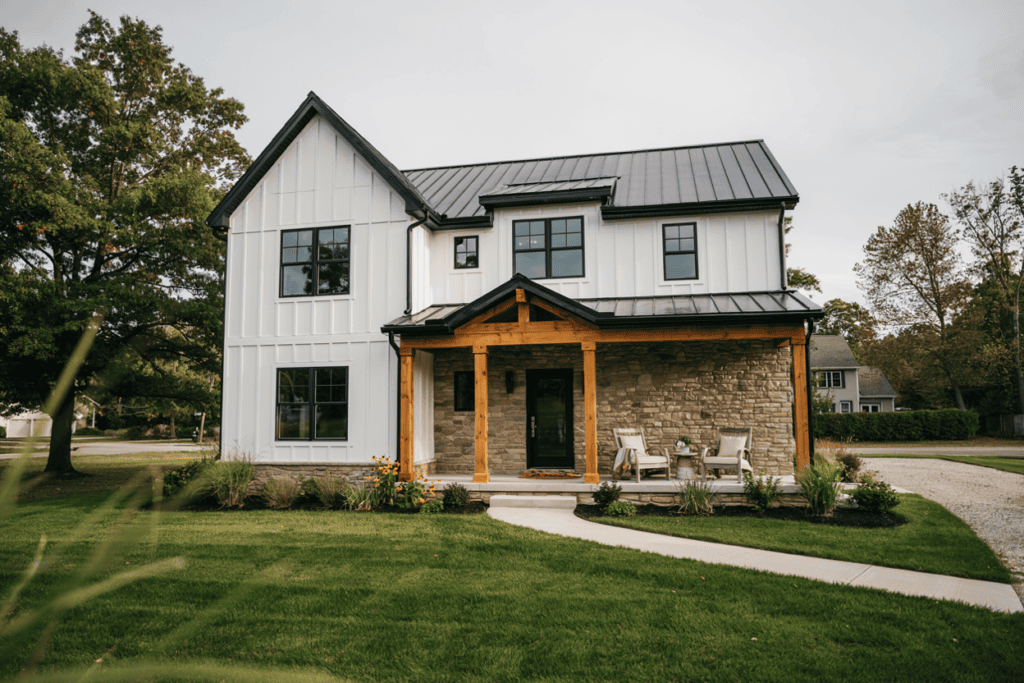
Modern Farmhouse remains one of today’s most popular exterior styles because it combines clean, modern lines with cozy, rustic charm. It takes inspiration from traditional farmhouses while simplifying the details for a fresh, updated appearance.
Key Features:
- White or light-colored siding with black window frames
- Board-and-batten siding
- Simple gable rooflines
- Warm wood accents
- Large covered front porches
Why People Love It:
Modern Farmhouse feels welcoming without looking overly rustic. It works well on everything from suburban homes to custom builds.
Love the look of Modern Farmhouse homes? Check out our Modern Farmhouse Exterior guide for a closer look at the key features, design ideas, and tips for creating this timeless style.
How It Differs from Contemporary:
At first glance, Modern Farmhouse and Contemporary homes can look surprisingly similar. Both often feature black-framed windows, clean lines, and minimal trim. The biggest difference is that Modern Farmhouse introduces warmth through natural wood, traditional roof forms, and rustic textures, while Contemporary design leans toward simpler geometric shapes, smoother surfaces, and a more minimalist overall look.
2. Contemporary
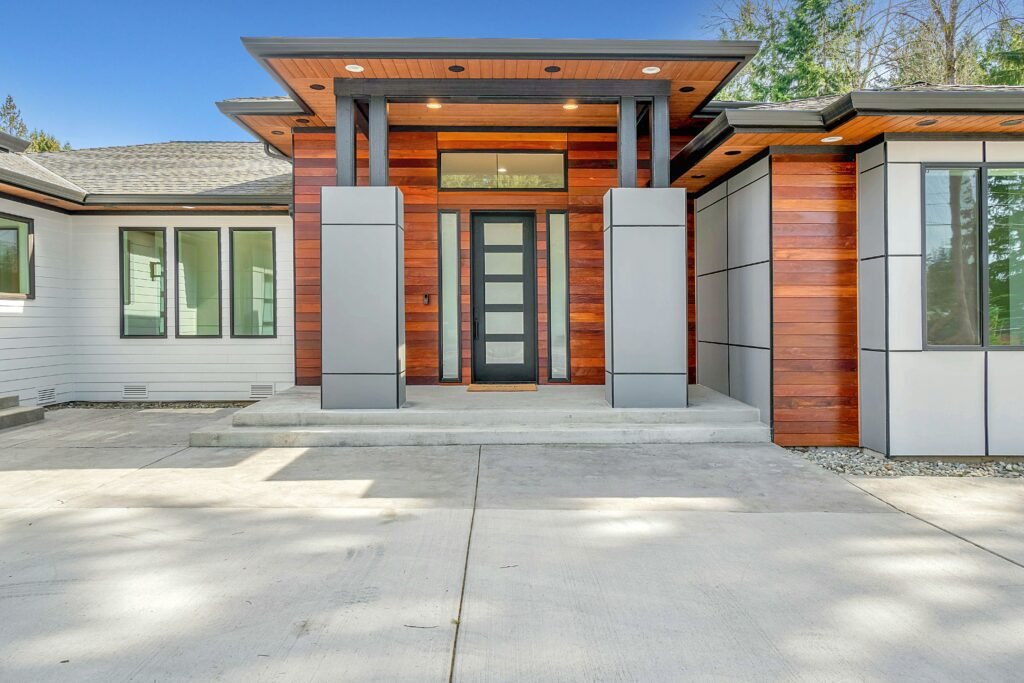
Contemporary design reflects current architectural trends and often embraces innovation in both materials and form. Rather than following one historical style, it evolves as modern design preferences change.
Key Features:
- Flat or single-slope roofs
- Large windows and expansive glass
- Asymmetrical shapes
- Mixed exterior materials like fiber cement panels, wood, and metal
- Neutral color palettes
Why People Love It:
Contemporary homes create bright, open spaces and have a clean, uncluttered appearance that’s perfect for homeowners who prefer modern design.
3. Traditional
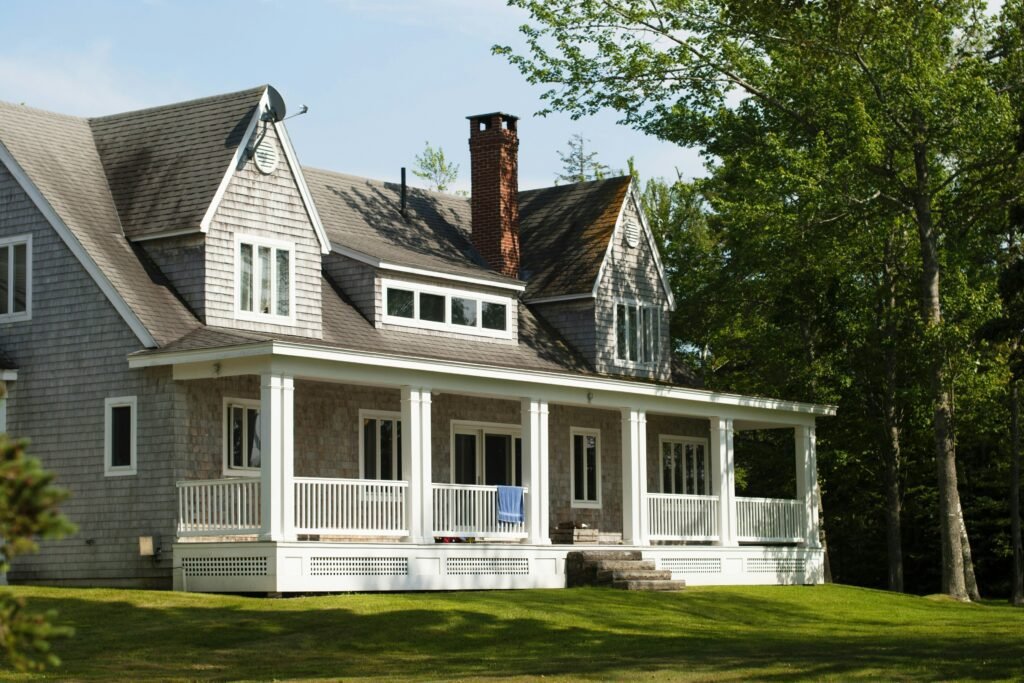
Traditional homes draw inspiration from classic residential architecture, emphasizing balanced proportions, symmetry, and timeless details. They have a familiar appearance that has remained popular for generations.
Key Features:
- Symmetrical front façade
- Brick or clapboard siding
- Decorative shutters
- Centered front entry
- Classic trim around windows and doors
Why People Love It:
Traditional homes tend to age well and fit comfortably into many established neighborhoods, making them a popular choice for homeowners who appreciate timeless design.
How It Differs from Craftsman:
Traditional and Craftsman homes can sometimes look similar, especially in older neighborhoods. However, Craftsman homes typically showcase more visible structural details, deeper front porches, exposed rafters, and a stronger emphasis on natural wood and stone, while Traditional homes generally have cleaner, more formal detailing.
4. Craftsman
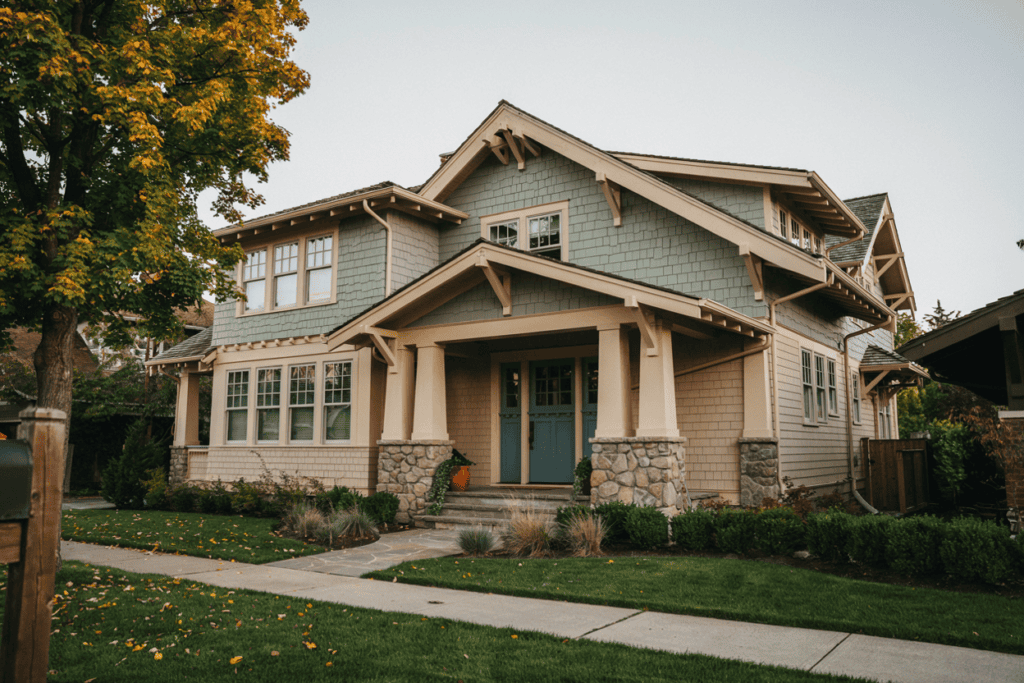
Craftsman homes grew out of the Arts and Crafts movement in the early 1900s and celebrate handcrafted details, natural materials, and quality craftsmanship.
Key Features:
- Low-pitched roofs with wide eaves
- Exposed rafters
- Tapered porch columns
- Stone column bases
- Earth-tone color palettes
Why People Love It:
Craftsman homes have a warm, welcoming feel thanks to their rich textures, and handcrafted architectural details.
5. Mediterranean
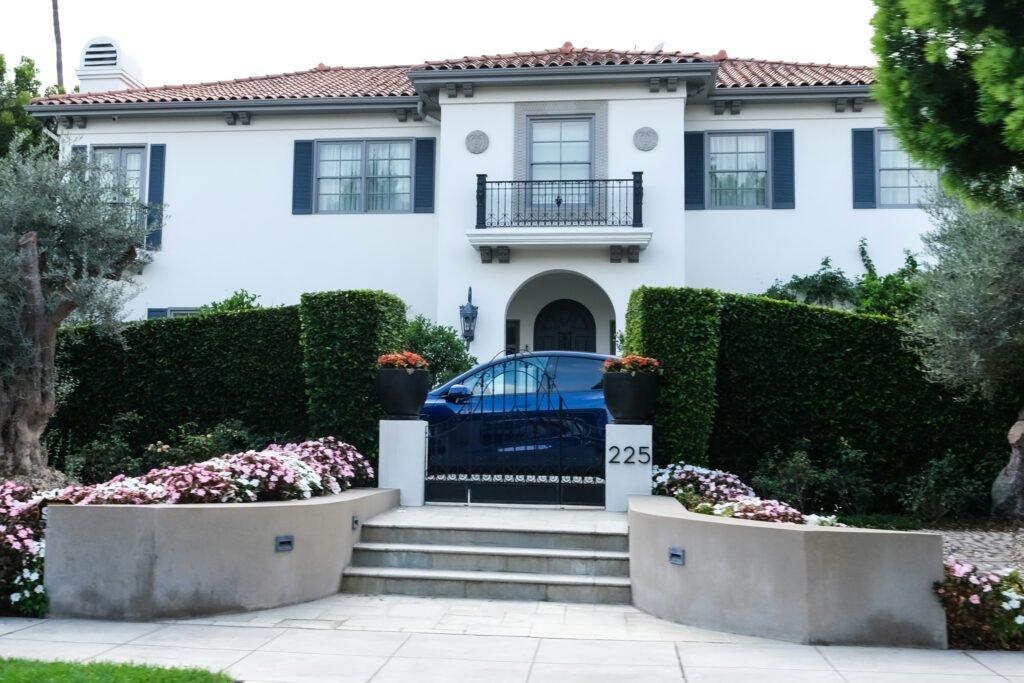
Inspired by homes found throughout Spain, Italy, and Greece, Mediterranean exteriors create a relaxed, resort-like atmosphere with warm colors and elegant architectural details.
Key Features:
- Stucco exterior walls
- Red clay tile roofs
- Arched doors and windows
- Wrought iron accents
- Terracotta-inspired colors
Why People Love It:
Mediterranean homes have a distinctive character that’s difficult to mistake for any other style. They’re especially well suited to warmer climates, where their materials and indoor-outdoor design traditions naturally shine.
How to Choose the Right Exterior Style
Finding the right style isn’t just about picking your favorite photos on Pinterest. It’s also about choosing a look that works with your home’s structure, your climate, and the amount of maintenance you’re comfortable with.
Consider Your Existing Home
Take a look at the parts of your home that are difficult or expensive to change, like the roof shape, overall footprint, and structural layout. Some styles naturally fit certain homes better than others.
Think About Your Climate
Building materials perform differently depending on where you live. Stucco and clay tile roofs often perform well in warm, dry climates, while fiber cement siding and steeper roof pitches are commonly chosen in regions that receive heavy rain or snow.
Be Realistic About Maintenance
Some materials look beautiful but require regular upkeep. Natural wood siding, painted trim, and decorative details usually need more maintenance than fiber cement, vinyl, or metal finishes.
Look at Your Neighborhood
Your home doesn’t have to match every house on the block, but choosing a style that complements nearby homes can create a more cohesive streetscape and may appeal to future buyers.
Exterior Style Comparison
| Style | Stands Out For | Maintenance | Overall Feel |
|---|---|---|---|
| Modern Farmhouse | Warm contrast and strong curb appeal | Low to Medium | Welcoming, fresh, and inviting |
| Contemporary | Clean lines and expansive glass | Low | Minimal, sleek, and modern |
| Traditional | Timeless architectural appeal | Medium | Classic, balanced, and familiar |
| Craftsman | Detailed woodwork and natural materials | Medium to High | Cozy, handcrafted, and grounded |
| Mediterranean | Stucco, clay tile, and resort-inspired character | Medium (varies by materials and climate) | Elegant, relaxed, and distinctive |
Exterior Details That Bring Each Style to Life
Once you’ve chosen your overall style, the smaller architectural details help reinforce the look.
- Siding: Board-and-batten is commonly associated with Modern Farmhouse, smooth stucco is often seen on Mediterranean and some Contemporary homes, while horizontal clapboard is a classic Traditional choice.
- Roof Shape: Steeper roof pitches often suit Farmhouse and some Traditional designs, low-pitched roofs are common on Craftsman homes, clay tile roofs are a hallmark of Mediterranean architecture, and flat roofs are frequently associated with Contemporary homes.
- Windows: Thick decorative trim works well with Traditional and Craftsman homes, while slim black frames and large expanses of glass are common in Contemporary designs.
- Front Entry: A solid wood door with classic lighting complements Craftsman homes, while oversized glass or pivot doors create a distinctly Contemporary feel.
Bringing It All Together
Whether you’re planning a full renovation or simply updating your home’s curb appeal, choosing one primary architectural direction makes every design decision easier.
That doesn’t mean you can’t mix influences, many beautiful homes do, but starting with a clear foundation helps everything feel cohesive.
Creating a simple mood board with siding samples, paint colors, lighting, doors, and roofing materials is one of the easiest ways to see whether your ideas work well together before making any big purchases.
If you’re renovating in stages, focus on the features that make the biggest visual impact first, like the front entry, siding, windows, or exterior paint. Even a few thoughtful updates can dramatically change the overall look of your home when they’re all working toward the same style.