
A typical dorm room is pretty small.
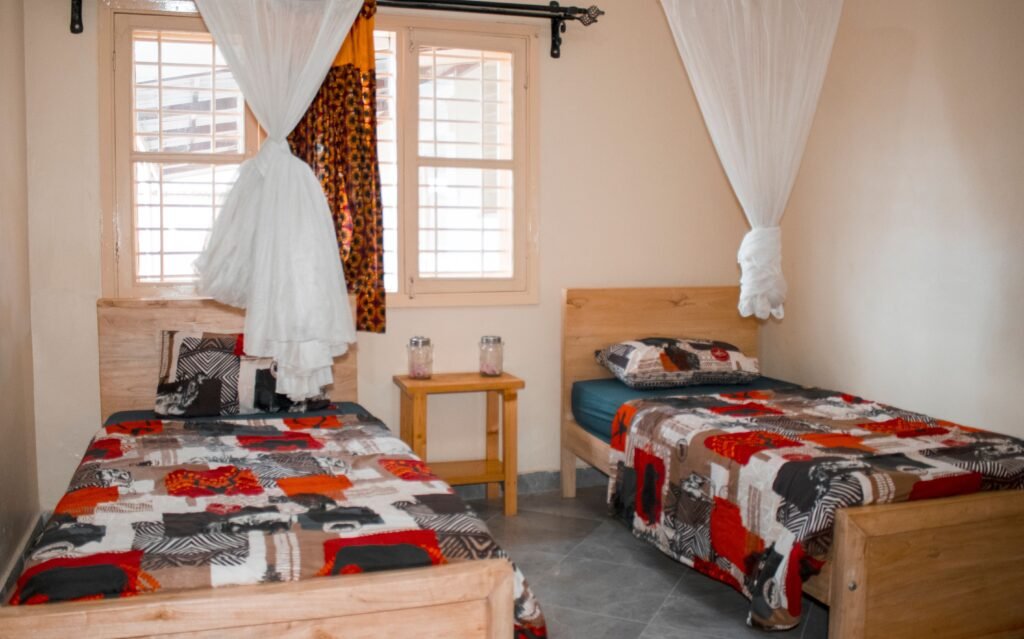
You’re sharing it with a stranger, a shared closet, and somehow still expected to store a season’s worth of clothes, a desk’s worth of supplies, and whatever hobby gear you refused to leave behind. The math doesn’t work unless you change how you think about the space.
Most dorm organization advice stops at “get a bed riser and call it a day.” That helps, but it’s a fraction of what’s actually possible. The real shift happens when you stop thinking about your room in square footage and start thinking about it in volume. You have height you’re not using, doors you’re ignoring, and walls that could be doing far more work than holding up a poster.
Here’s a breakdown of what actually saves space, not just what looks good in a move-in haul video.
Start With What’s Above You, Not Beside You
Floor space in a dorm is the most contested real estate you’ll ever negotiate for. Wall and ceiling space, on the other hand, usually sits empty.
Command hooks and adhesive strips are the backbone of this approach, since most dorms don’t allow nails or screws. A few places they earn their keep:
- Over-the-door hooks for robes, towels, and bags, which keeps them off your one chair
- Wall-mounted wire baskets for toiletries or school supplies, so counters and desks stay clear
- A hanging shoe organizer on the inside of your closet door, repurposed for snacks, chargers, or makeup instead of shoes
The instinct is to keep buying bins and stacking them on the floor. Flip that instinct. Anything you can hang, hang.
Rethink the Bed as a Storage System, Not Just a Bed
Your bed takes up more square footage than anything else in the room, which makes it the highest-leverage item to optimize.
Bed risers are the obvious first move, and they genuinely work. Raising your bed six to eight inches creates enough clearance for storage bins, a mini fridge, or a rolling cart underneath. If your dorm bed is already lofted, you’ve got even more room to work with, sometimes enough for a small desk or seating area underneath.
Under-bed storage containers with low profiles are worth the investment over generic bins, since they’re built to slide in and out of tight clearance without getting stuck. Vacuum-sealed bags are useful here too, especially for out-of-season clothing or extra bedding you’re not using every week.
Let the Closet Do More Than One Job
Dorm closets are narrow and shallow, which means a single rod and a shelf usually isn’t enough to hold what you brought.
A hanging closet organizer with multiple cubbies instantly doubles or triples your folded storage without needing extra floor space. Add a second tension rod below your existing one to create a lower hanging section for shorter items like shirts or skirts, and you’ve effectively created two closets out of one.
Slim, non-slip velvet hangers matter more than people expect. Swapping bulky plastic hangers for thin ones can free up several inches of rod space, which in a dorm closet is the difference between things fitting and things not.
Use Your Desk as a Vertical Workstation
Desks in dorms tend to be small, and it’s tempting to let papers and cords spread out until the whole surface disappears.
A stacked desk organizer or small shelf riser gives you a second layer to work with, so books, files, and supplies stop competing with your laptop for space. Cord clips or a small cable box keep chargers from turning into a tangled pile every time you need one. If your desk backs up to a wall, a magnetic board or corkboard mounted above it can hold reminders, photos, and small tools without using any surface space at all.
The goal isn’t a perfect desk. It’s a desk where you can actually open your laptop without shoving three things out of the way first.
Don’t Forget the Door and the Walls
The back of your door and any open wall space are two of the most underused areas in a dorm room.
An over-the-door mirror with built-in storage pockets is a small upgrade that solves two problems at once. A tension-rod curtain hung in front of open shelving can hide clutter instantly, which matters more than it sounds like it should when you’re sharing a room and want at least one corner that feels calm. If storage bins make sense for your setup, clear stackable ones on a shelf or in a closet corner can hold everything from school supplies to snacks, as long as they’re sized to the space instead of bought in bulk and forced to fit.
Think in Zones, Not Piles
The last shift is less about products and more about habits. Dorm rooms fall apart fast when everything gets treated as one undefined space. Give categories their own zone, even a small one: a shelf for school things, a bin for toiletries, a hook system for outerwear. When everything has a designated home, even a tiny one, you spend far less time hunting and far less energy on the low-grade stress of visual clutter.
A small room doesn’t have to feel small. It has to feel intentional. Once every surface, wall, and inch of vertical space is doing something useful, 130 square feet starts to feel a lot more livable than it did on move-in day.
If you’re figuring out your setup this year, start with just one or two of these changes before buying anything else. You’ll know within a week whether it’s actually solving your space problem or just adding more stuff to store.